
Heather Honey vs Borage Honey: Taste and Serving Ideas
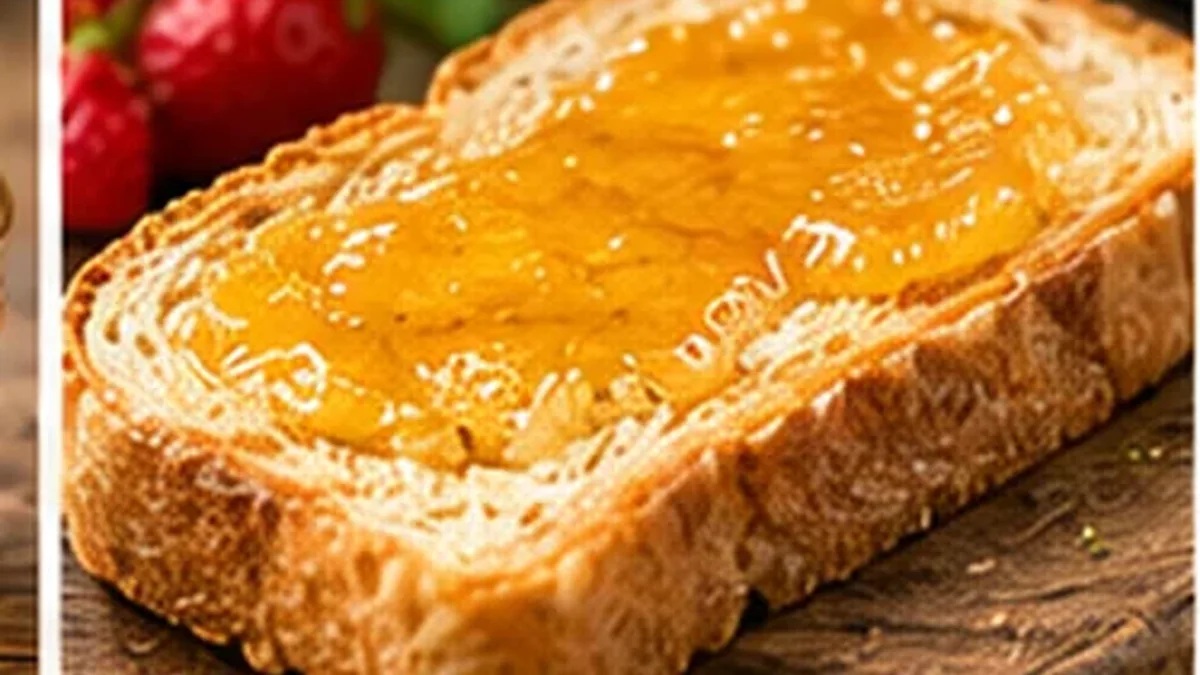
Two distinctive British honeys deserve different pairings. In the sections below, we explain the choices that make the biggest difference, with practical examples and ways to use the products in your kitchen.
Why the flowers matter
Honey varies with the nectar collected by bees, the season and the conditions in which the honey was produced. Floral names such as heather and borage describe the botanical source rather than an added flavouring. Natural variation between batches is expected.
Heather honey: a distinctive character
Heather honey is often prized for its pronounced aroma and complex, lingering flavour. Some heather honeys have a characteristic gel-like or thixotropic texture, which can behave differently from ordinary runny honey.
Borage honey: a different profile
Borage honey is commonly described as relatively delicate and light in flavour, although colour and intensity vary by harvest. It may suit foods where you want honey sweetness without an especially assertive finish.
Taste them side by side
Use two clean teaspoons and a neutral food such as plain yoghurt or oatcakes. Notice aroma first, then sweetness, texture and aftertaste. Avoid tasting immediately after strongly flavoured food, which can mask subtler notes.
Best uses in the kitchen
A bolder honey can work with mature cheese or robust porridge toppings. A lighter honey may be better for delicate breakfast dishes or dressings. Heating either honey can change its aroma, so add it at the end when you want to preserve the original flavour.
Choosing between them
If you prefer pronounced flavour, try heather first. If you want a gentler honey for everyday use, borage may be a better starting point. Texture and flavour are personal preferences rather than quality rankings.
Explore the honey collection
Enjoyed this guide? Discover the Author Carl range and compare the available flavours, sizes and ingredients. Product availability and prices are shown on the shop pages.