If you’re new
Start with salt % and safety basics.

Author Carl – Carl Williams
If you want reliable fermented foods and preserves without the hype, you need two things: repeatable measurements and a conservative safety mindset. Most failures (soft veg, weird smells, surface films, dull flavour, runny jam) trace back to a handful of causes: salt level, oxygen exposure, temperature, and timing.
This hub is the “start here” page for fermentation and preserving on AuthorCarl.co.uk. It’s written for real UK kitchens: UK measurements, practical decision rules, and simple explanations that actually help when something looks “off”. Use the “Start here” path if you’re new, or jump straight to the problem you want to fix.
Start here (recommended order)
On this page:
Most “fermentation problems” aren’t mysterious. They’re basic process issues that compound. If you apply these rules, you stop guessing and your results become repeatable.
Start with salt % and safety basics.
Jump to soft sauerkraut fixes and salt & texture.
Use conservative rules via Safe Home Fermentation.
Safety in fermentation is mostly prevention. You’re creating conditions where beneficial microbes win: salt + low oxygen + time. If you get those right, most batches are safe and predictable.
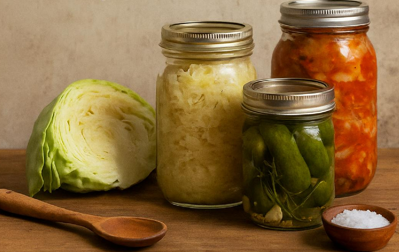
What’s actually happening, what’s safer for which foods, and how to choose the right method.
Read →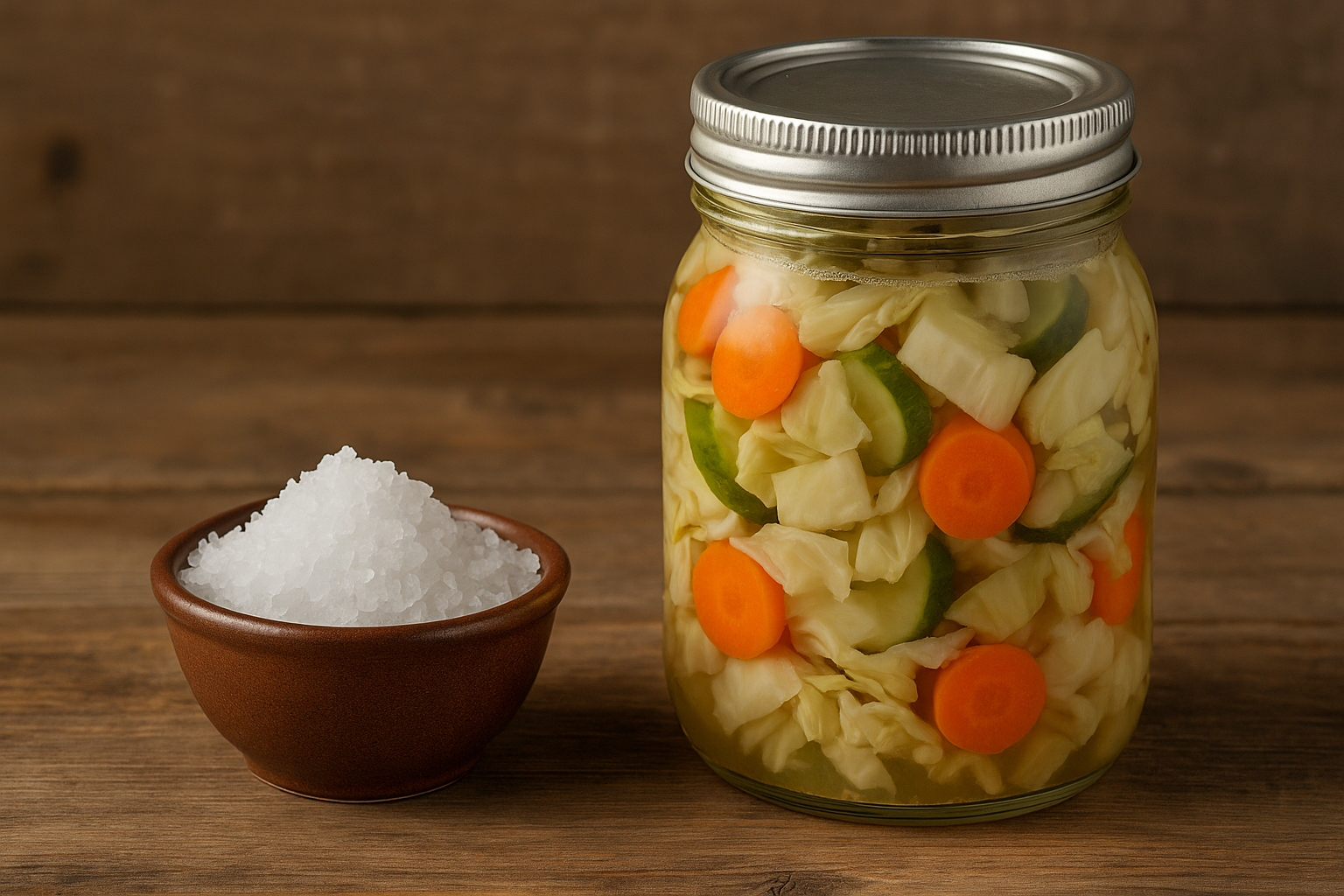
Conservative decision rules for real problems — when to continue, correct, or discard.
View →
What fermented foods can realistically do — without miracle claims.
Read →A flat white film is often kahm yeast — usually caused by oxygen exposure at the surface. It can taste unpleasant and can lead to more issues, but it’s not the same as fuzzy mould. Fuzzy/hairy growth is your “don’t mess about” sign. If you want strict, conservative rules for uncertain cases, use Safe Home Fermentation.
Salt does three jobs at once: it slows the wrong microbes, helps pull water from vegetables to create brine, and protects texture. That’s why “a spoon of salt” advice fails — the jar size and veg weight change the outcome.
Salt percentage explained simply — the fastest way to improve results.
Read →
The real causes of soft kraut — and the changes that bring crunch back.
Read →If you’re doing salt % correctly and still getting repeated surface issues, focus on oxygen control: keep solids submerged and tighten your lid/airlock routine.
Most “is this ruined?” moments fit into a small set of patterns. This is the practical way to think about it: identify the category first, then apply the right fix.
Usually: low salt, warm ferment, old produce.
Fix: salt % + cooler temp + fresher veg.
Usually: oxygen exposure at the surface.
Fix: keep solids submerged; improve lid/airlock practice.
Usually: too short/too cold, weak process.
Fix: give it time; use correct salt %; avoid under-fermenting.
Vinegar pickles and lacto-fermented pickles are different tools. Vinegar gives instant acidity and predictable shelf life. Fermentation builds acidity over time and creates deeper flavour, but it’s more process-sensitive. Choosing the right method makes everything easier.
Vinegar advice online is often vague. The practical issues are: starting liquid quality, oxygen, time, and knowing what’s safe for food. These guides cover the parts that actually change results.
Why homemade tastes better and the key ideas behind making it reliably.
Read →
Why flavour is richer at home: time, starting liquids, and less standardisation.
Read →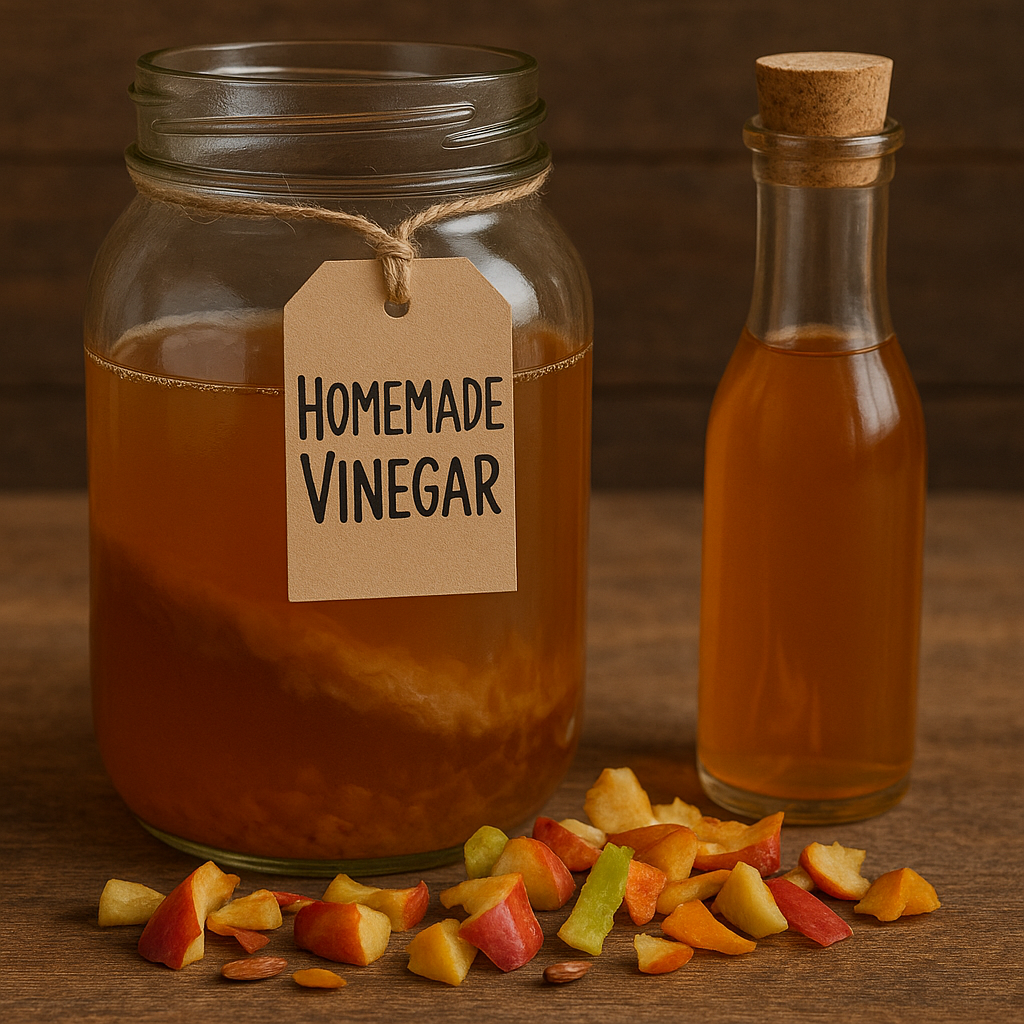
When it helps, when it doesn’t, and the mistakes that ruin batches.
Read →
Jam is “simple” until it isn’t. Failed sets usually come from pectin level, boiling time, and sugar/acid balance. The best fix is understanding what pectin needs, so you stop reboiling blindly.
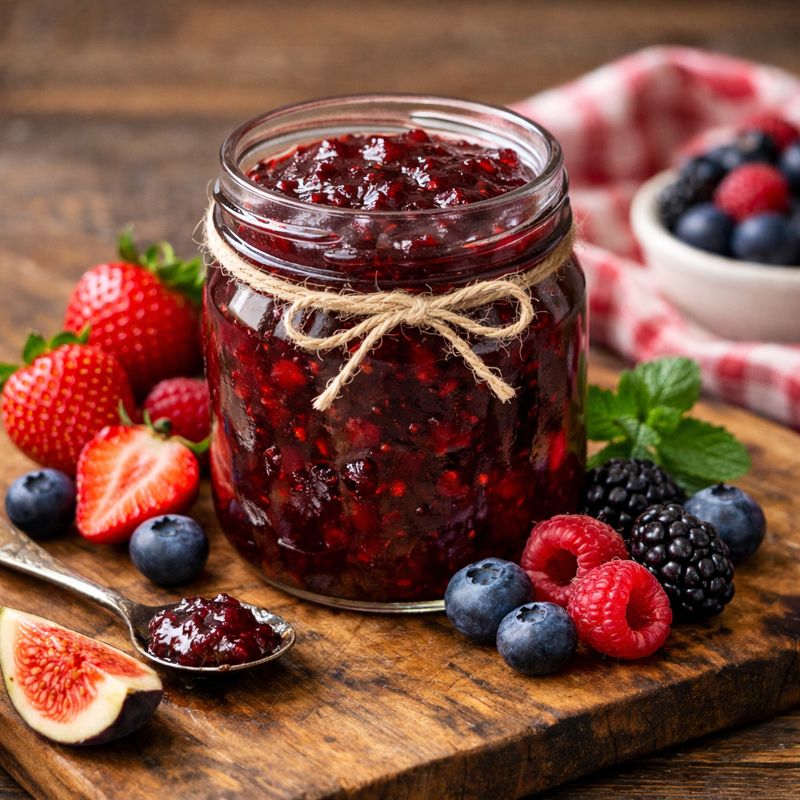
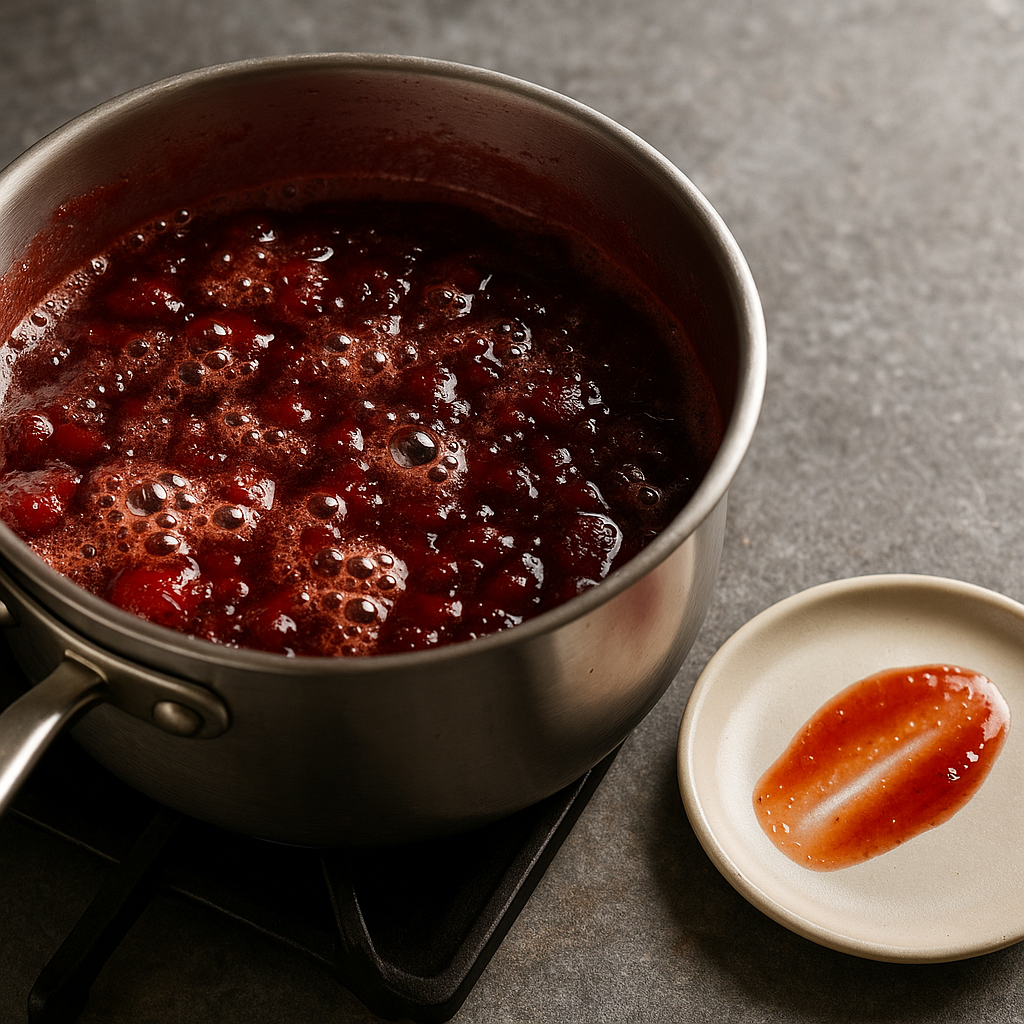
Runny set, burnt flavour, crystallisation and mould — causes and fixes that work.
Read →Fermented drinks should be enjoyable first — then any “gut health” benefit is a bonus. Water kefir is a great entry point because it’s fast, forgiving, and easy to flavour.
Proper fermented chilli sauce is one of the most rewarding ferments — and one of the easiest to mess up if salt and oxygen control are sloppy. If you’ve only made vinegar-first sauces, fermented sauces are where flavour becomes deeper and rounder.
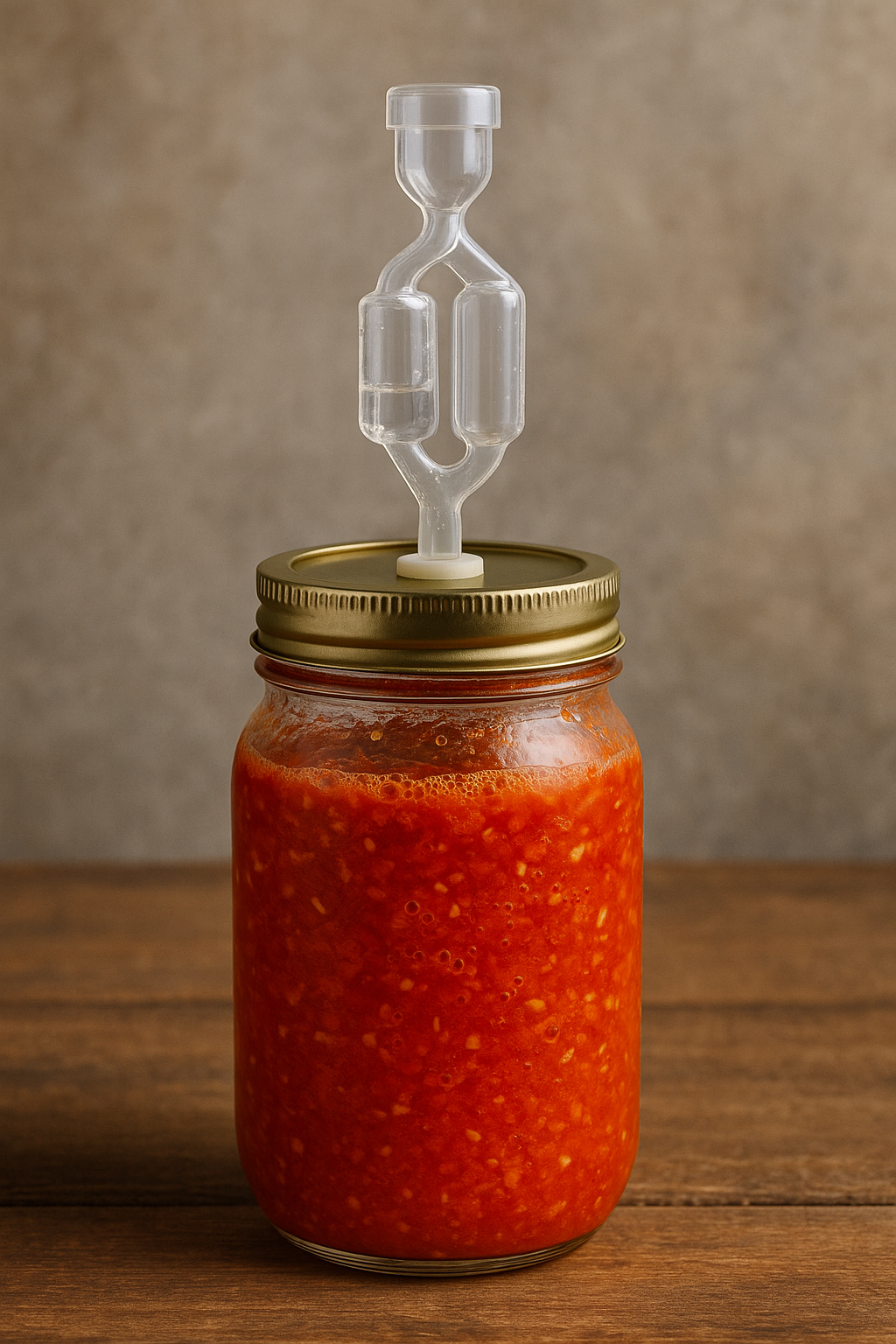
A start-to-finish method: salt %, oxygen control, time, blending and storage.
Read →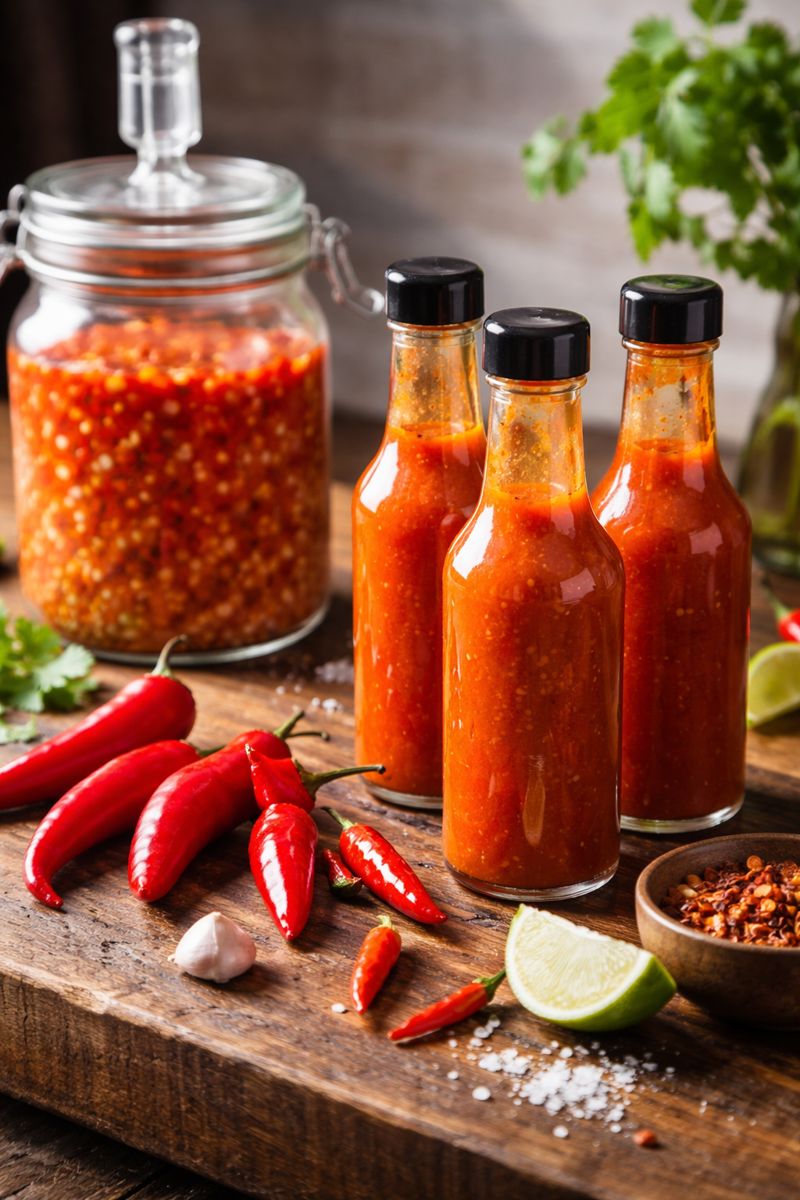
Flavour, shelf-life, acidity, and why fermentation tastes deeper than vinegar-first recipes.
Read →Fermented foods can support gut health, but the topic is full of exaggerated claims. The useful approach is simple: treat fermented foods as part of a normal diet, prioritise consistency, and avoid miracle thinking.
If you’re thinking about selling jam, chutney or preserves, you need two things: basic UK compliance and pricing that actually covers your costs. These guides are UK-focused and written in plain English.
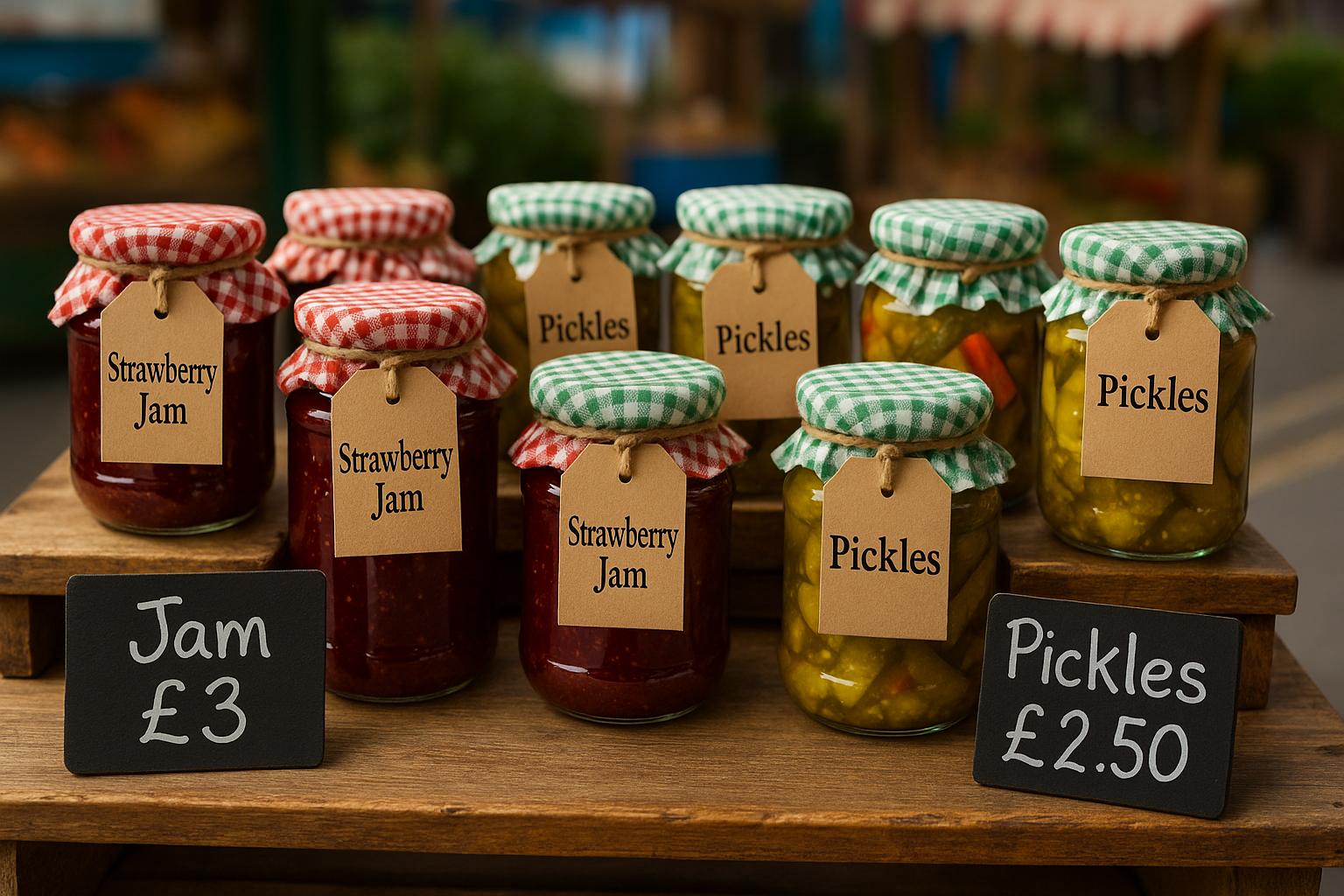
What matters in practice: hygiene, labelling, allergens, and safe processes.
Read →
Costing, jar sizes, margins, and a simple pricing approach that works.
Read →
The complete step-by-step guide if you want to do it properly and safely.
Read →Every post in this hub. This list updates automatically when you publish a new fermentation/preserving article.
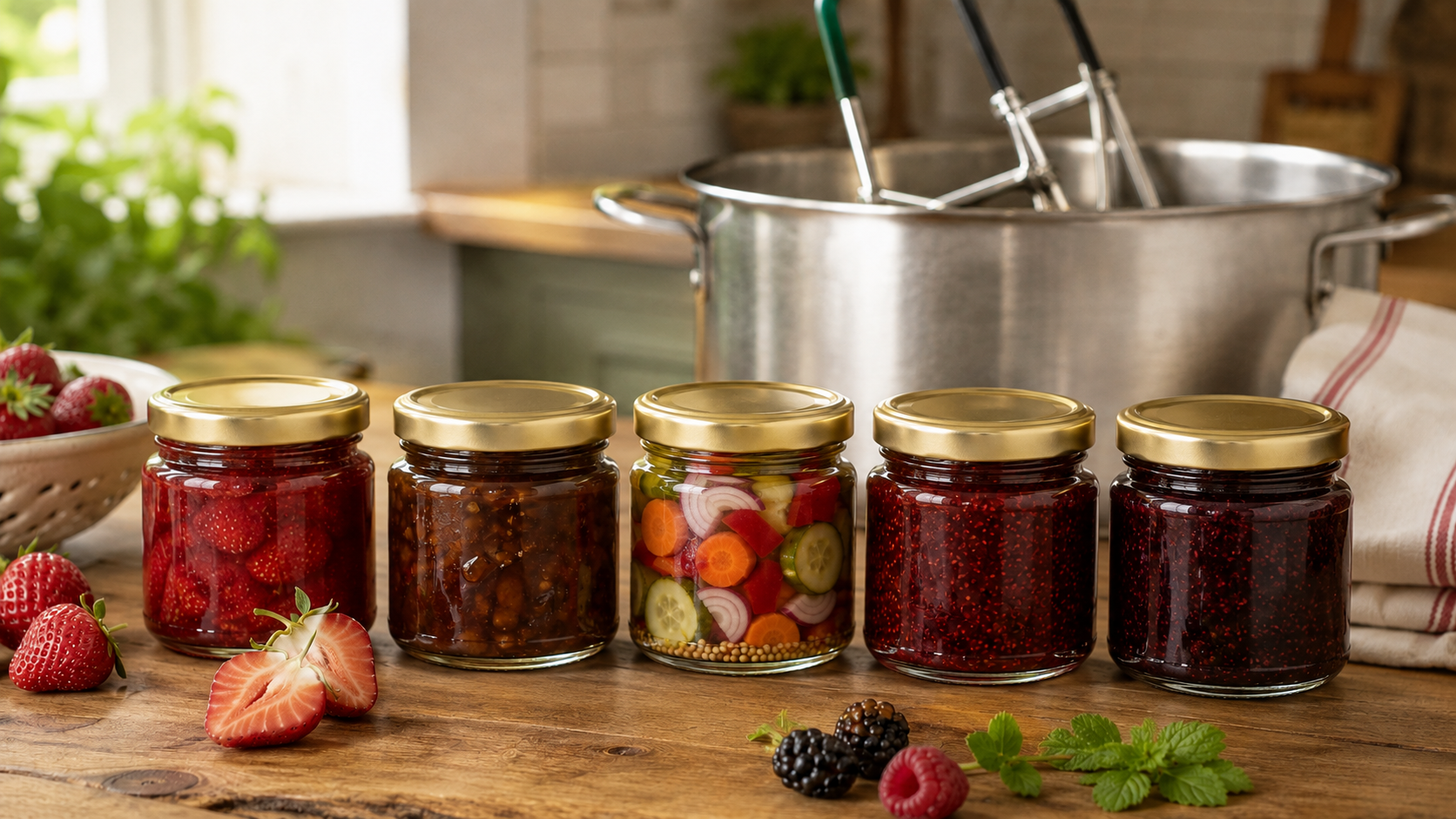
There are several ways to seal jars of jam, chutney and pickles, including hot filling, water-bath processing and pressure canning. Each method has advantages and limitations—and a sealed lid alone does not prove that a preserve is safe or shelf-stable.
Read →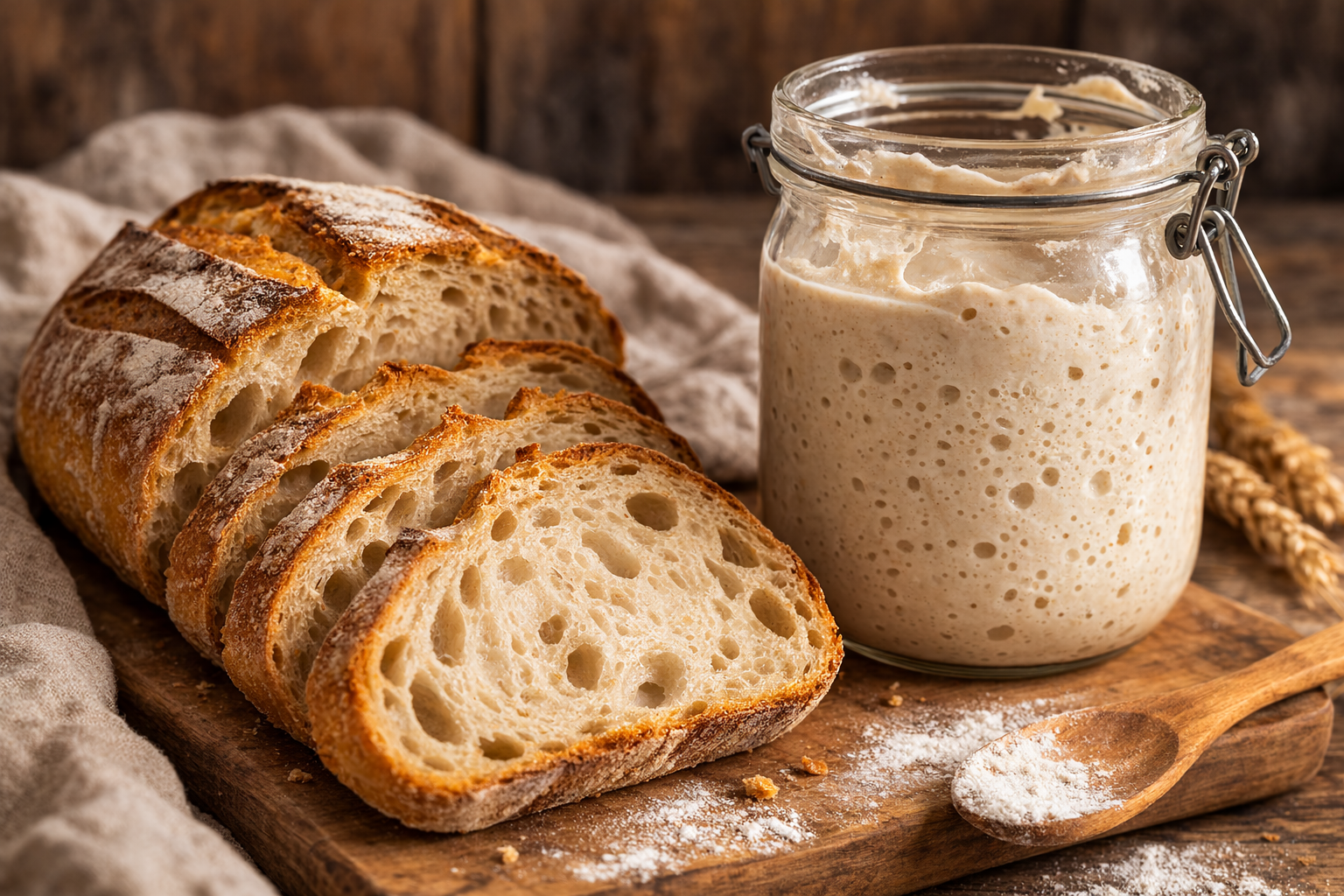
Many people assume sourdough bread contains live probiotics because it is made with a fermented starter. In reality, the baking process kills the live bacteria and yeasts. Sourdough can still offer digestive and nutritional benefits, but it is not a probiotic food once baked.
Read →
A lot of hot sauces are basically chilli + vinegar + salt (sometimes with sugar and thickener). They can be sharp and enjoyable, but they often taste one-dimensional. Fermented hot sauce tastes different because the acidity isn’t just “added” — it’s created. During lactic fermentation, microbes convert sugars into lactic acid and a whole set of flavour compounds that add depth, aroma and savoury complexity. That’s why fermented sauces often taste rounder, richer and more “alive”.
Read →
Indian food isn’t bad for the gut. The problem is often modern takeaway-style curry: large portions, lots of oil, refined carbs, alcohol, and eating late. Traditional Indian cooking is rich in fibre, polyphenols, legumes and fermented foods (dahi, lassi, dosa/idli batters, pickles) — all of which support the microbiome. This article explains why curry gets blamed, what actually causes discomfort, and how to make gut-friendlier curry at home without losing flavour.
Read →
Floppy sauerkraut is one of the most common beginner complaints. The taste might be fine, but that squeaky crunch you were hoping for just isn’t there. The good news: a soggy jar is nearly always fixable next time once you know what went wrong.
Read →
If you’ve ever made a successful batch of homemade vinegar, you’ll know the difference immediately. It’s not just “sharp” – it’s rounded, fruity and surprisingly complex. There are good reasons for that, and they have nothing to do with fancy equipment.
Read →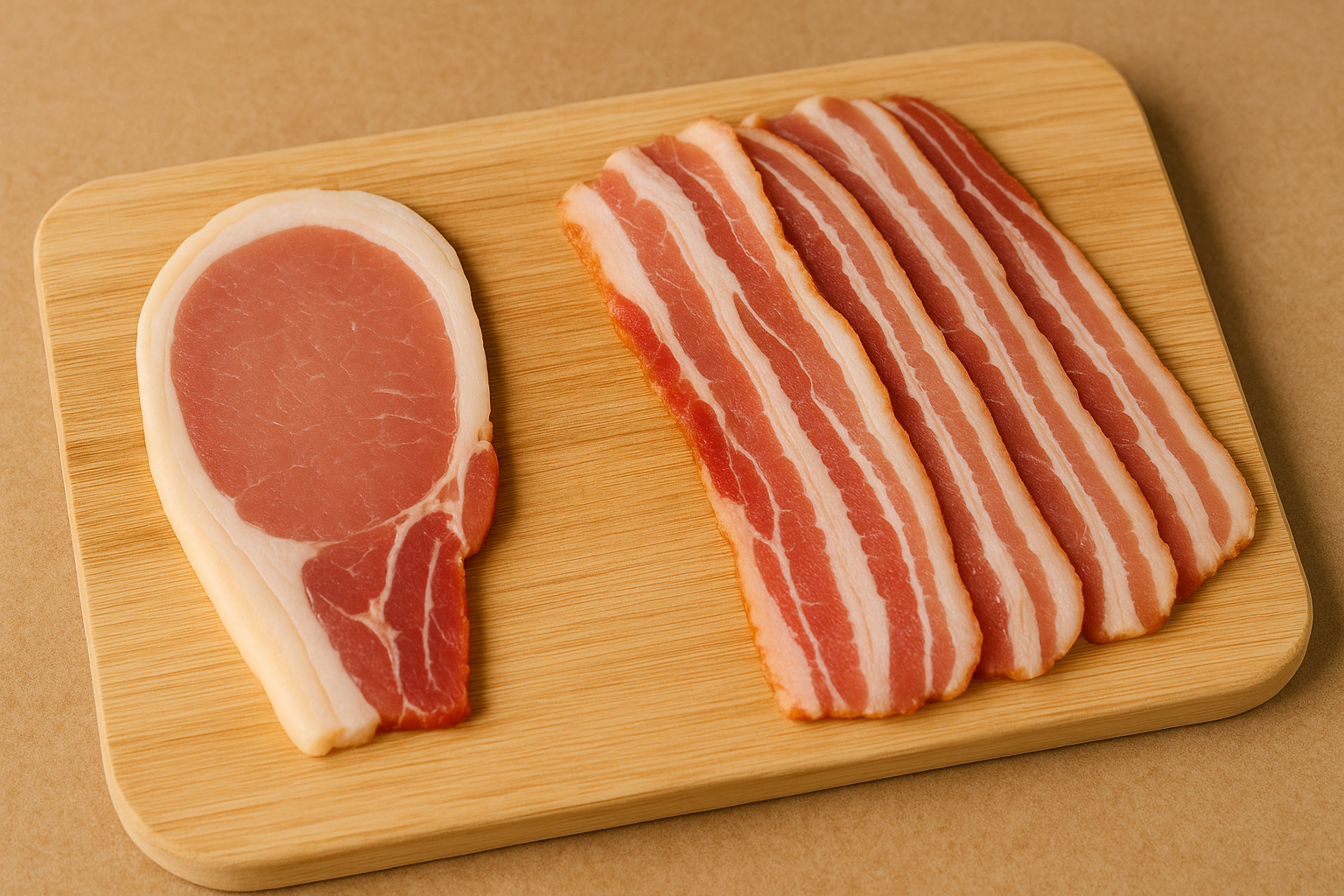
If you’ve ever ordered bacon on holiday and thought, “This isn’t like home,” you’re not imagining things. UK bacon really is different—in the cut, the cure and how it cooks.
Read →
Jam looks simple: fruit + sugar + heat. But small mistakes can cause the classic disasters — runny jam, burnt flavour, crystallised sugar, mouldy jars, or “nice but weak” fruit taste. Below are the most common failure points and the fixes that make jam reliable, batch after batch.
Read →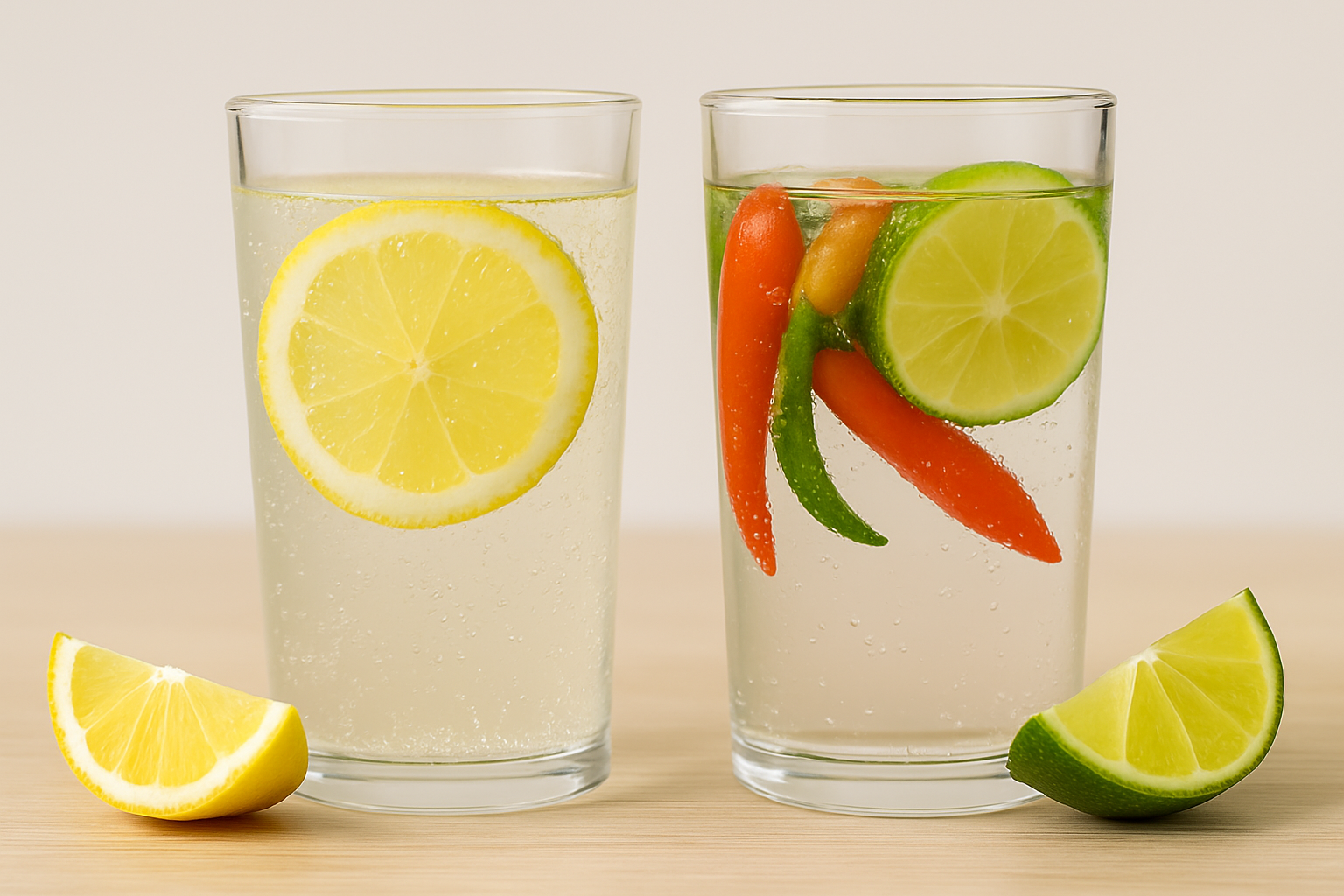
Lightly sweet, gently fizzy, and endlessly customisable—water kefir is the perfect probiotic refresher for warm days. Use this quick-start guide to understand the basics of fizz, flavour and grain care.
Read →
Salt isn’t just about taste—it controls texture, draws water and sets the right conditions for safe, predictable ferments and crisp pickles. Here’s what you need to know about salt types, weighing and common mistakes, without giving away full ratios.
Read →
Plenty of people in the UK quietly sell homemade jams, chutneys and pickles at markets and from home. Some do it fully compliant. Others are trading on guesswork and Facebook rumours. If you’re serious about selling homemade preserves legally – and sleeping at night – you need to understand a few basics properly.
Read →
Jam sets when pectin molecules link up in the right conditions. Sugar and acidity help the gel to form and hold. Here’s the science in plain English—no full recipes given, just enough to understand what’s going on in the pan.
Read →
Most home producers underprice their jars. Not because their food isn’t good enough—far from it—but because they guess instead of using a simple structure. Here’s a clear way to think about pricing so you can cover costs and actually earn money.
Read →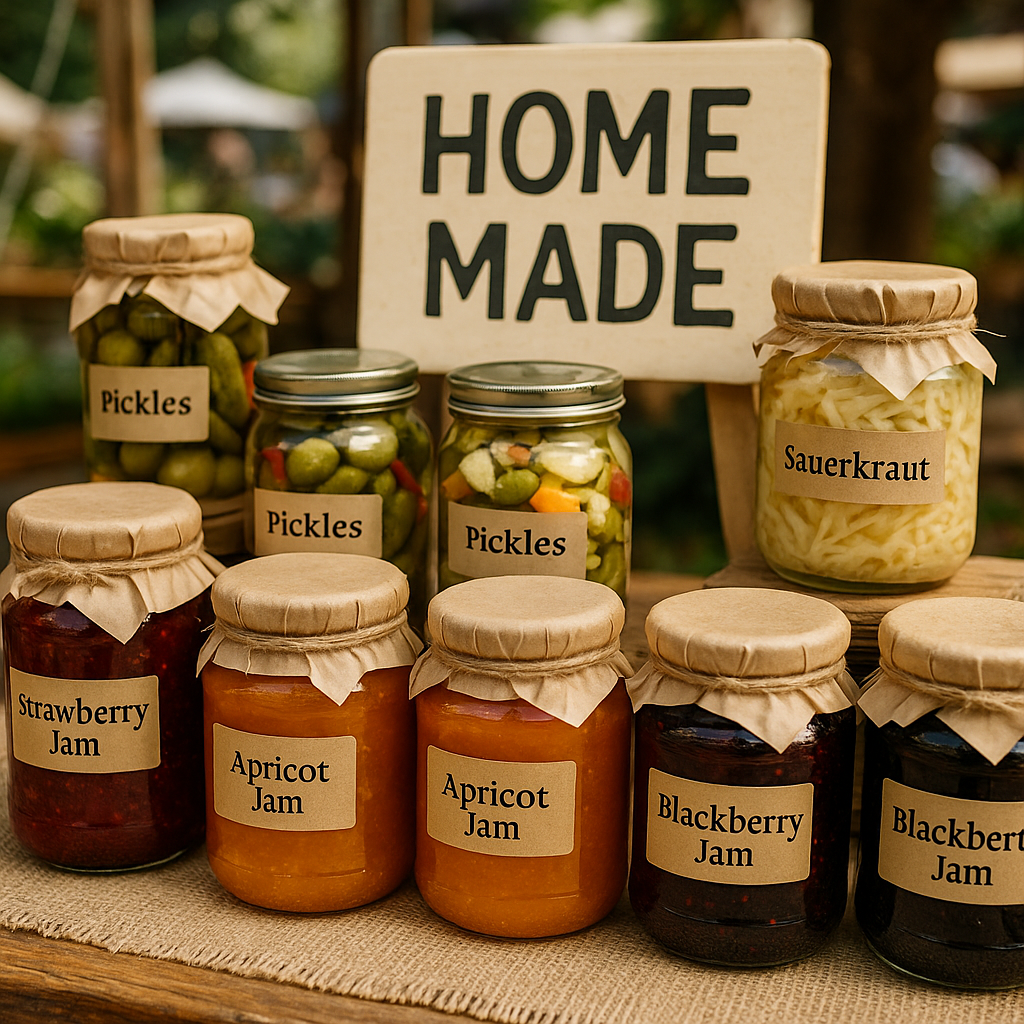
Selling your jam, chutney or fermented veg can feel intimidating – especially when you start reading about “regulations”. The good news is that, in the UK, the basics are clear and achievable from a normal home kitchen.
Read →
Everywhere you look, someone is promising that a spoonful of this or a shot of that will “heal your gut” overnight. On the other side, you have people saying it’s all nonsense. The truth – as usual – sits quietly in the middle. Fermented foods can support a healthy gut, but they aren’t a magic fix and they only work if you use them properly
Read →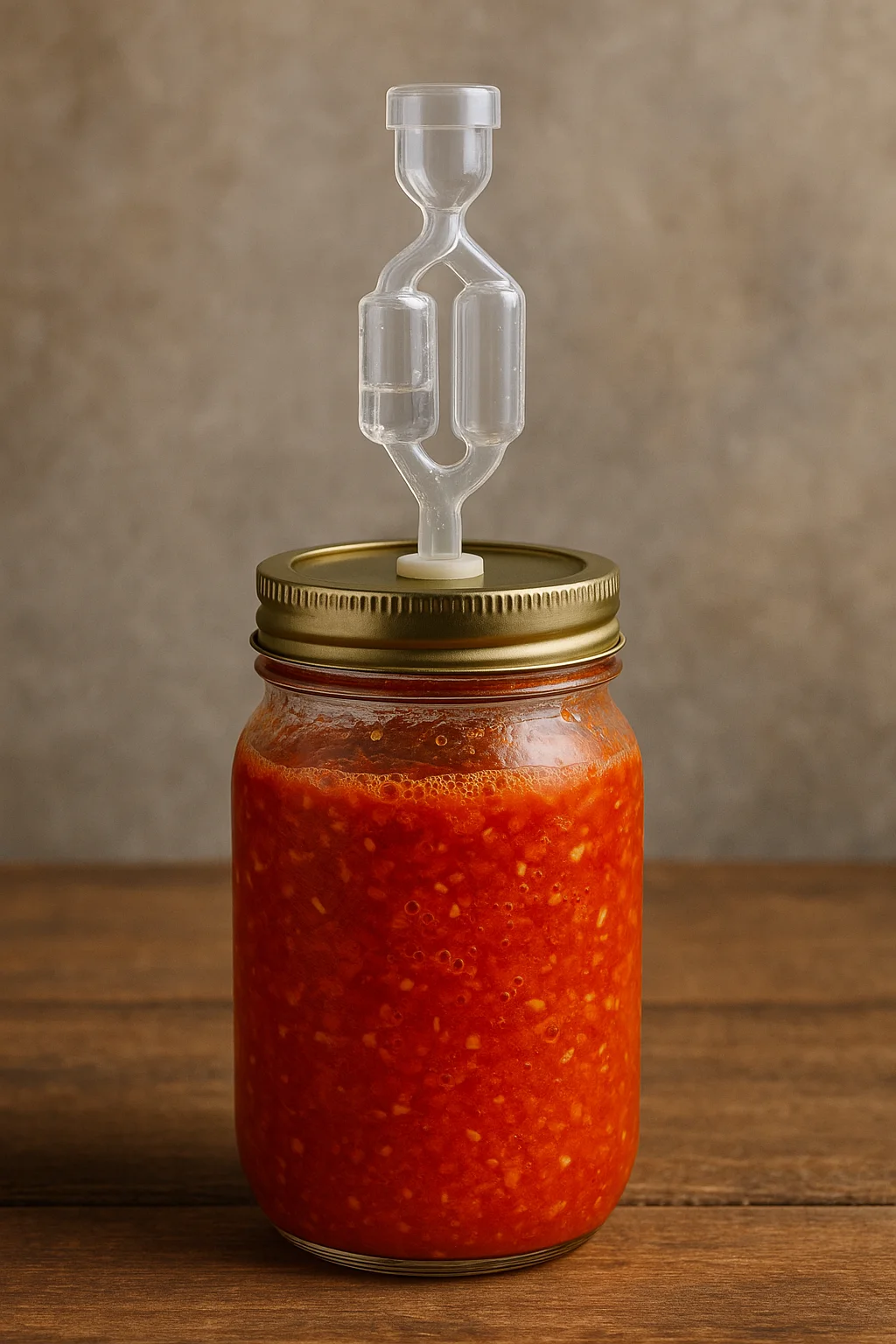
Fermented hot sauce delivers a deeper, rounder flavour than straight vinegar sauces—thanks to lactic acid, gentle funk and natural complexity. Here’s what makes it special, the kit you actually need, and the key safety basics, without giving away a full recipe.
Read →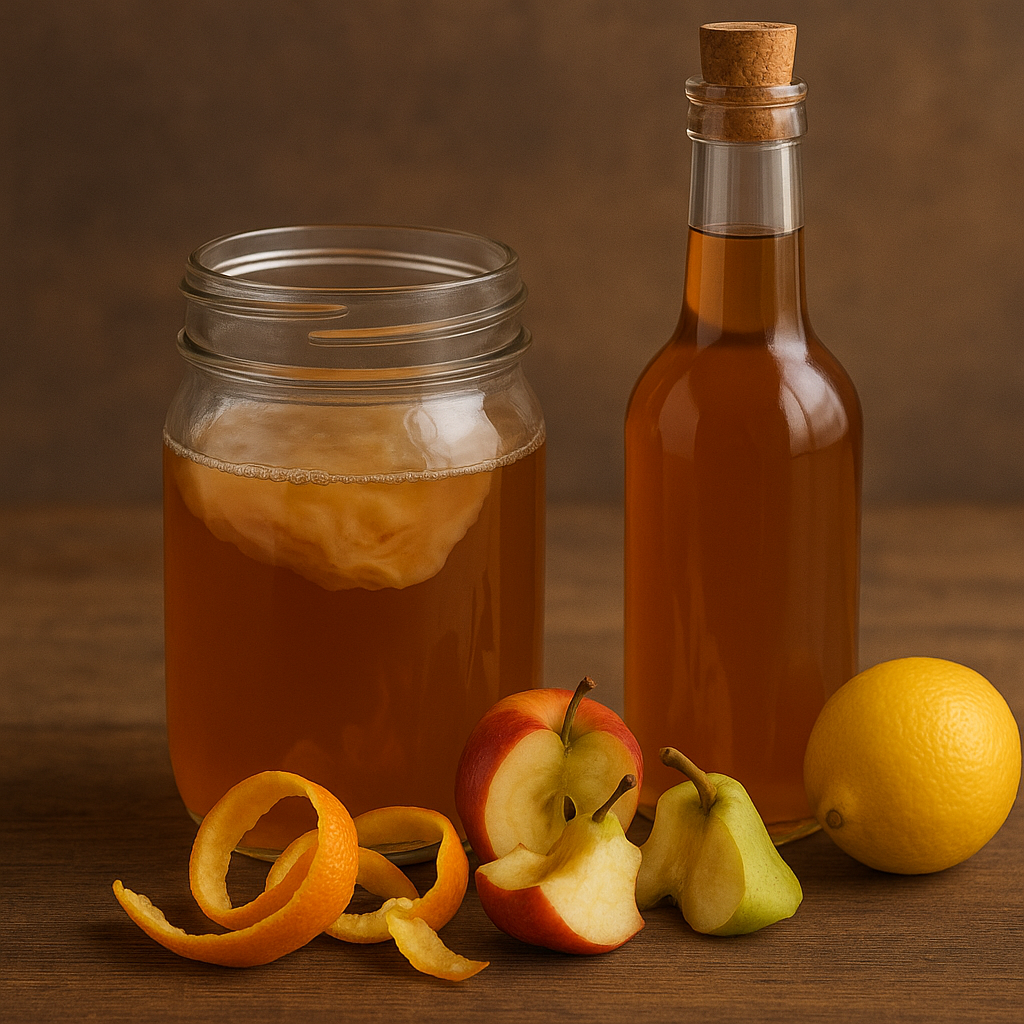
If you’ve ever searched for homemade vinegar recipes, you’ve probably seen photos of a strange jelly-like disc floating in the jar. That’s the vinegar “mother”. Some people treat it like magic; others are quietly horrified by it. So what is it, and do you actually need one to make good vinegar at home?
Read →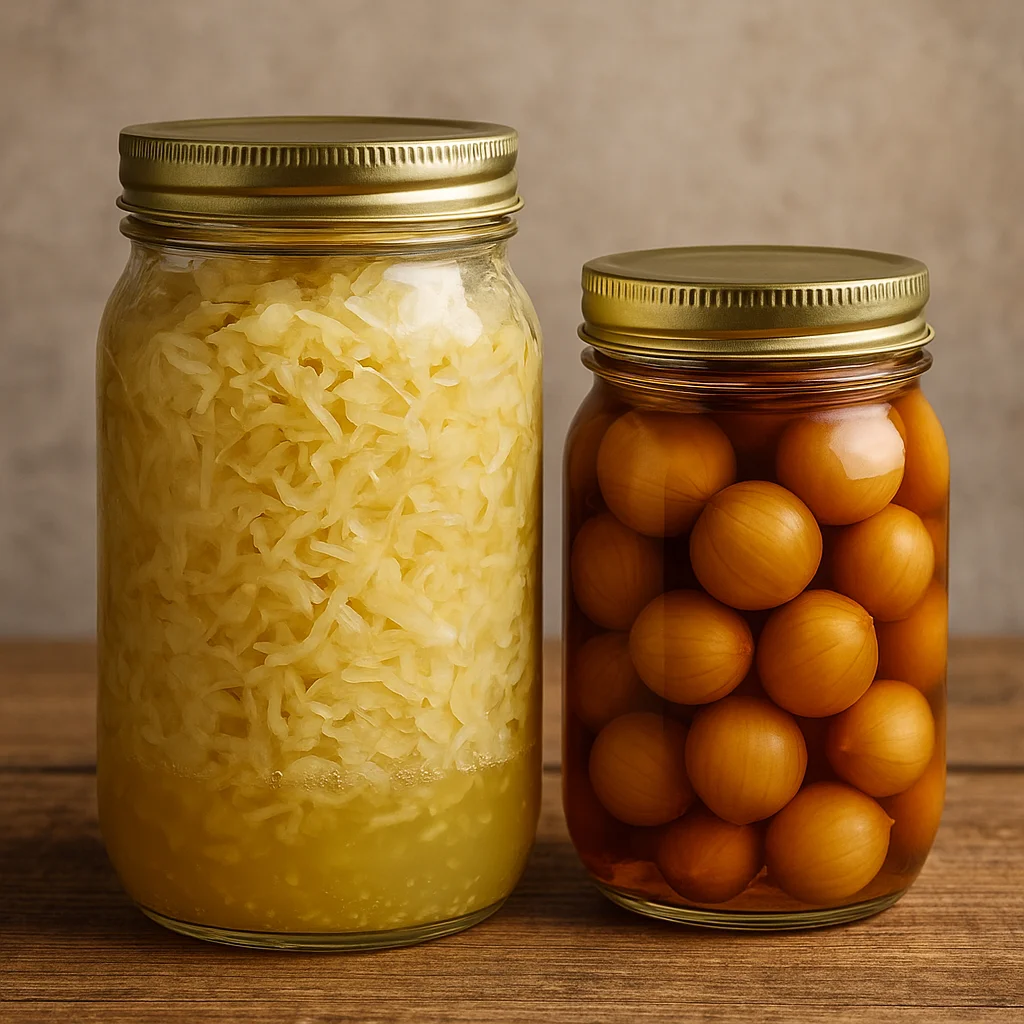
People often use the words interchangeably—but they’re not the same. This guide explains the differences so you can choose the right method for flavour, texture and storage.
Read →
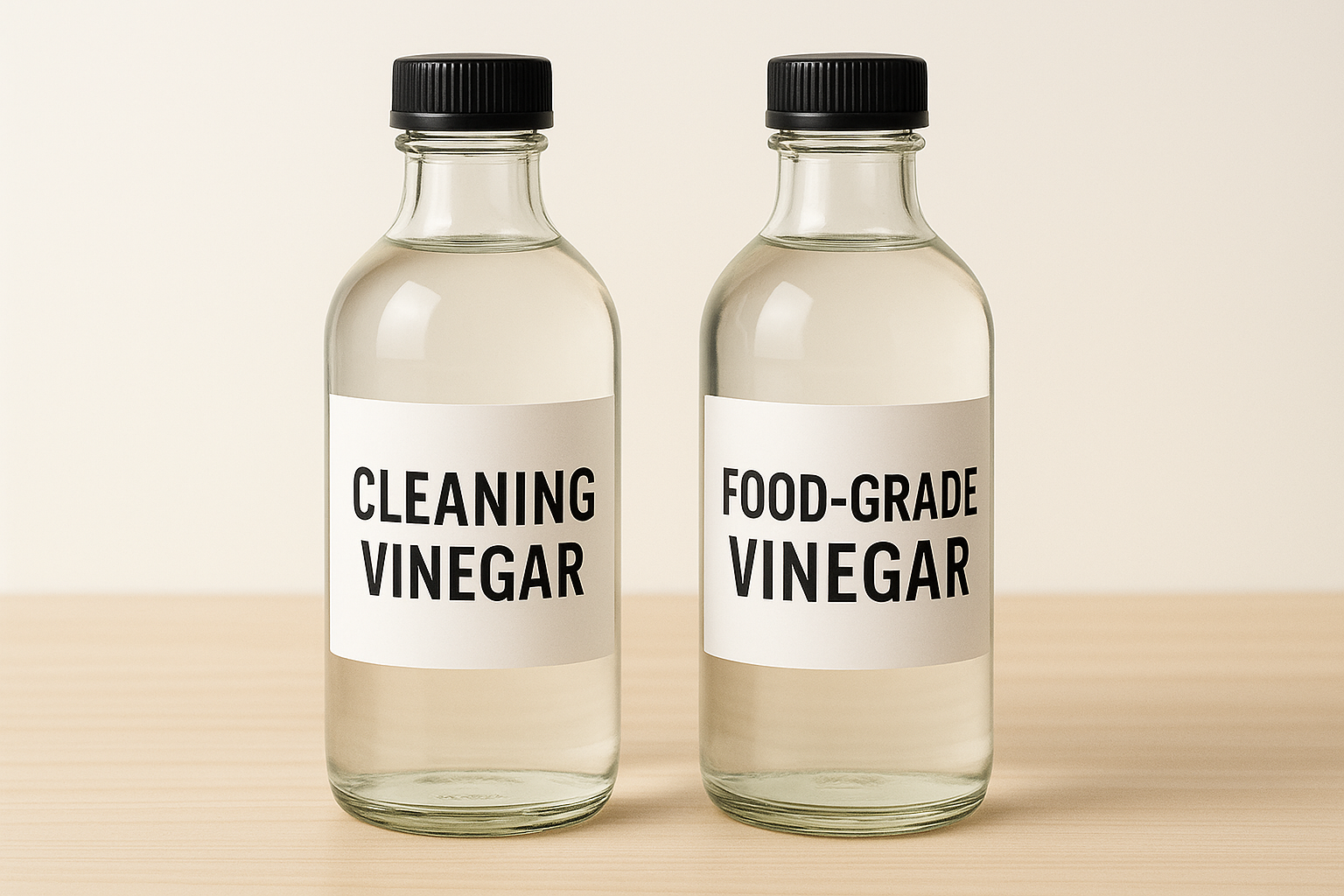
Food-grade vinegar is made for eating and preserving under food safety rules, typically around 5% acidity, and is labelled for culinary use. Cleaning vinegar is made for household cleaning, is often stronger, and is not intended for eating or pickling. If the label doesn’t clearly say it’s for food use, don’t consume it.
Read →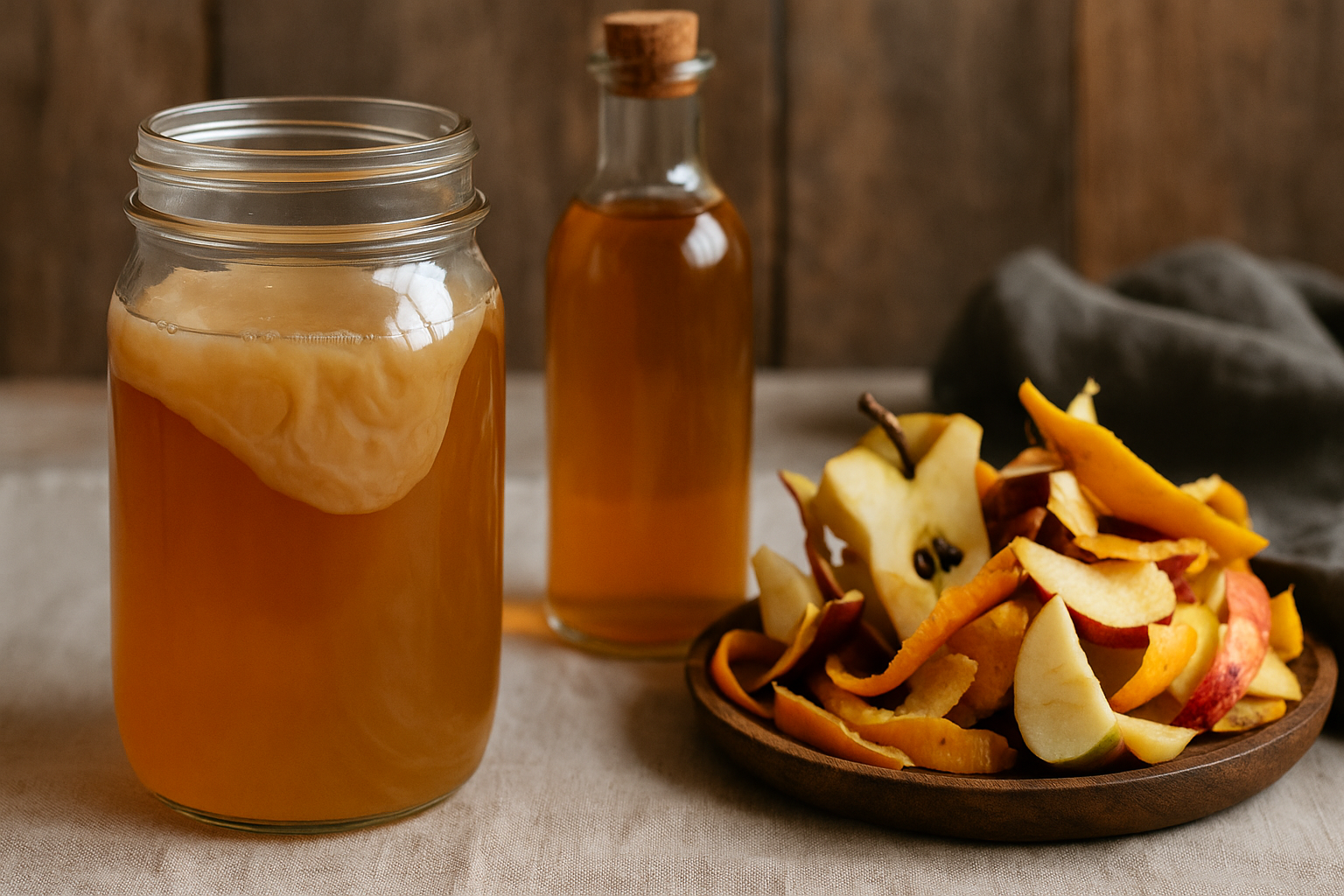
Most of us treat vinegar as a background ingredient – something sharp from a bottle. But when you ferment your own vinegar at home, you unlock far more flavour and flexibility than most supermarket options can offer.
Read →It depends on the food and method. Use salt by percentage and you’ll get repeatable results.
Not always. Flat white films are often kahm yeast (linked to oxygen exposure). Fuzzy growth is more concerning.
Usually low salt, warm fermentation, oxygen exposure, or old cabbage. The fixes are straightforward.
No. Cleaning vinegar is not food-grade. Use food-grade vinegar for pickling and cooking.
Usually pectin level, boiling time, or sugar/acid balance. Start with the pectin guide.
Start with UK compliance basics and then pricing. Both guides are linked above.