
Runny Honey vs Soft-Set Honey: What Is the Difference?
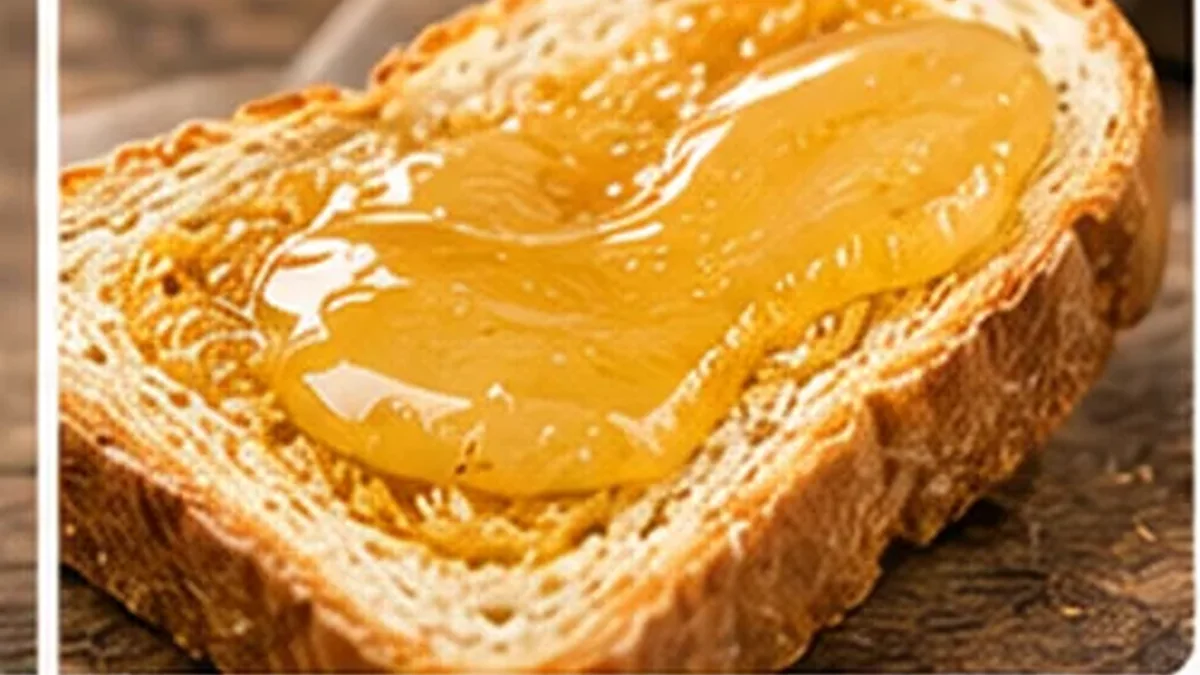
Two familiar textures, with different ways to enjoy them. In the sections below, we explain the choices that make the biggest difference, with practical examples and ways to use the products in your kitchen.
The main difference is texture
Runny honey pours readily, while soft-set honey has a smooth, spreadable consistency. Both are honey; the difference is not that one has been diluted or mixed with another ingredient. The exact texture also depends on temperature and the natural sugar balance.
Why honey forms crystals
Honey naturally contains glucose and fructose. Glucose can crystallise over time, and the speed varies with the floral source and storage conditions. Soft-set honey is produced by controlling crystallisation to encourage a fine, even texture.
Best uses for runny honey
Runny honey is convenient for drizzling over porridge, stirring into dressings or adding to yoghurt. It also works well in baking, although heat can reduce some of its delicate aroma.
Best uses for soft-set honey
Soft-set honey stays on toast and crumpets more readily and is easier to spread neatly. It is also useful when you want a spoonful of honey to hold its shape rather than flow across a plate.
Does one mean better quality?
No. Texture alone does not establish purity, floral origin or quality. A honey that crystallises has not automatically spoiled, and a honey that stays liquid is not necessarily more natural. Evaluate sourcing, labelling, flavour and handling instead.
How to choose
Choose runny honey for drizzling and soft-set for spreading. If you enjoy both, keeping one jar of each makes practical sense. Remember that honey is unsuitable for infants under 12 months.
Explore the honey collection
Enjoyed this guide? Discover the Author Carl range and compare the available flavours, sizes and ingredients. Product availability and prices are shown on the shop pages.