
Why Some Jams Set Better Than Others
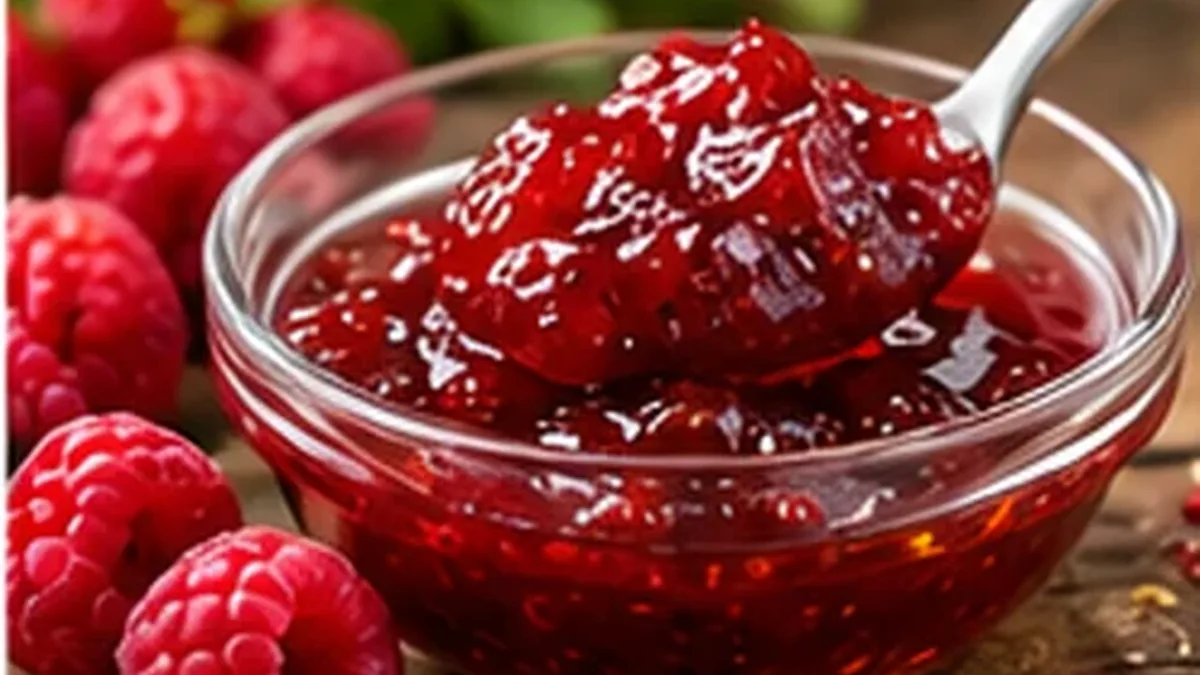
Pectin, acidity, sugar and evaporation all affect the final set. In the sections below, we explain the choices that make the biggest difference, with practical examples and ways to use the products in your kitchen.
The four factors behind a good set
A traditional jam sets when pectin forms a network in the presence of suitable acidity and dissolved sugar, after enough water has evaporated. The final consistency is not determined by temperature alone. Fruit variety, ripeness, pan shape and batch size all affect the result.
Pectin varies between fruits
Pectin is a natural substance found in plant cell walls. Apples and blackcurrants generally provide useful amounts, while strawberries often need more careful balancing. Ripeness matters too: as fruit becomes very ripe, its pectin behaviour can change.
Why sugar matters
Sugar contributes sweetness, but it also helps the gel form and reduces available water. Starting with equal weights of fruit and sugar does not guarantee the finished jam has a particular soluble-solids concentration, especially if extra water is added or evaporation varies.
Acidity and lemon juice
Pectin needs a suitable acidic environment to gel effectively. Lemon juice is commonly used in jam-making, but the correct quantity depends on the fruit and recipe. More lemon is not always better: excessive acidity can affect flavour and gel structure.
Cooking, evaporation and temperature
Boiling drives off water and concentrates the mixture. A temperature around 104–105°C at sea level is a useful traditional setting guide for many high-sugar jams, but local boiling point, sugar concentration and recipe affect the exact result.
How to use the cold-plate test
Place a small plate in the freezer before you begin. When the jam approaches its expected setting point, put a little on the cold plate and allow it to cool briefly. Push it gently: a slight wrinkle and gel-like movement indicate the texture you are looking for.
What if the jam does not set?
A loose set may reflect insufficient concentration, too little effective pectin, an unsuitable acid balance or excessive water. Some soft jams are still enjoyable as dessert sauces, but do not assume a failed set is safe for shelf storage.
Compare fruit textures
Try Raspberry Jam, Strawberry Jam and Blackcurrant Jam side by side. Different fruit structures can produce very different mouthfeel even when the products are all correctly made.
Explore the jams collection
Enjoyed this guide? Discover the Author Carl range and compare the available flavours, sizes and ingredients. Product availability and prices are shown on the shop pages.