
Why Does Japanese Matcha Vary So Much in Price?
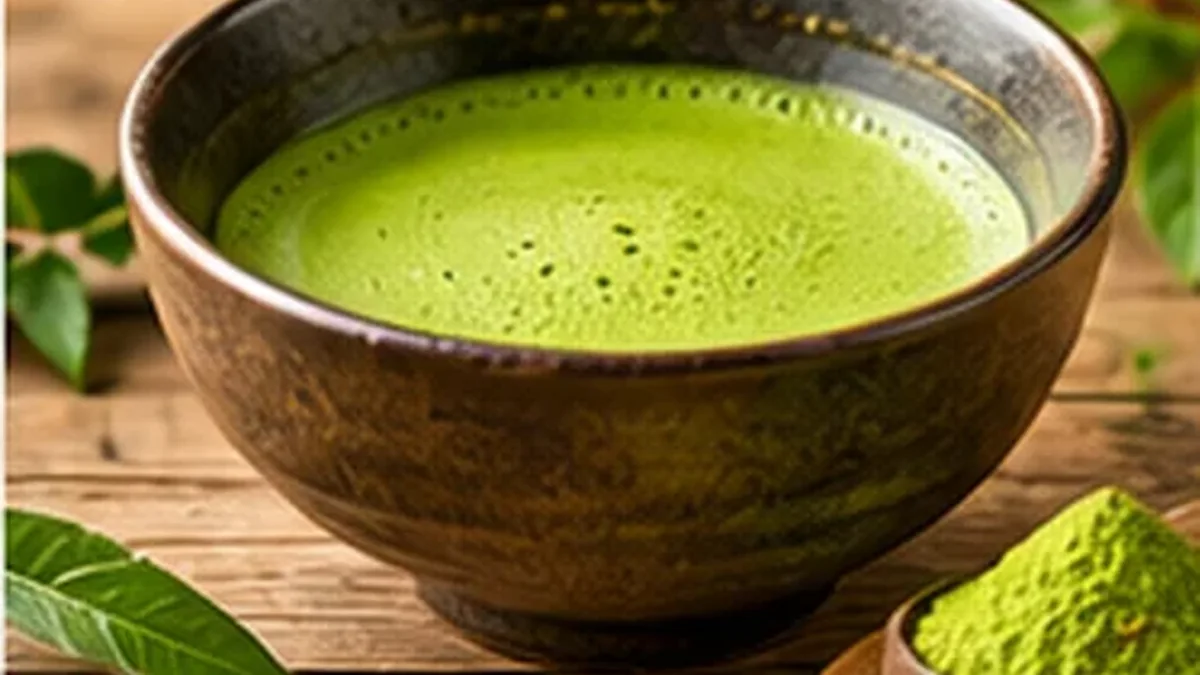
Origin, harvesting, processing and freshness all influence price. In the sections below, we explain the choices that make the biggest difference, with practical examples and ways to use the products in your kitchen.
Not all matcha starts with the same leaves
Matcha price reflects the quality and availability of tea leaves, the farming method, processing, yield and the supply chain. Leaves harvested for premium matcha may require careful shading and selection. Lower-priced powders can still be useful, particularly in recipes with milk or other strong flavours.
Origin and growing conditions
Growing region, cultivar, weather and soil management influence tea character. Japan has several established tea-producing regions, including Shizuoka. A Japanese origin is useful information, but it is not a guarantee that every powder will taste identical.
Shading and harvesting
Matcha tea plants are commonly shaded before harvest. This influences leaf chemistry and the flavour of the finished powder. Harvest timing and leaf selection can affect tenderness, aroma and cost.
Processing and grinding
Leaves intended for matcha are processed and finely ground. Careful grinding takes time and aims for a fine, consistent powder. Storage and packaging also matter because exposure to air, light and heat can dull flavour.
What ceremonial grade does and does not mean
“Ceremonial grade” is widely used in retail, but there is no single universal grading standard that makes every ceremonial-labelled matcha directly comparable. A producer’s tasting description, traceability and freshness are more useful.
How to judge value at home
Taste matcha plain before using it in a latte. Notice bitterness, savoury notes, texture and finish. A powder you enjoy drinking without sweetener may justify a higher price for you; one used mainly in baking may not.
Explore the matcha collection
Enjoyed this guide? Discover the Author Carl range and compare the available flavours, sizes and ingredients. Product availability and prices are shown on the shop pages.