
Why Pure Honey Crystallises (and What to Do About It)
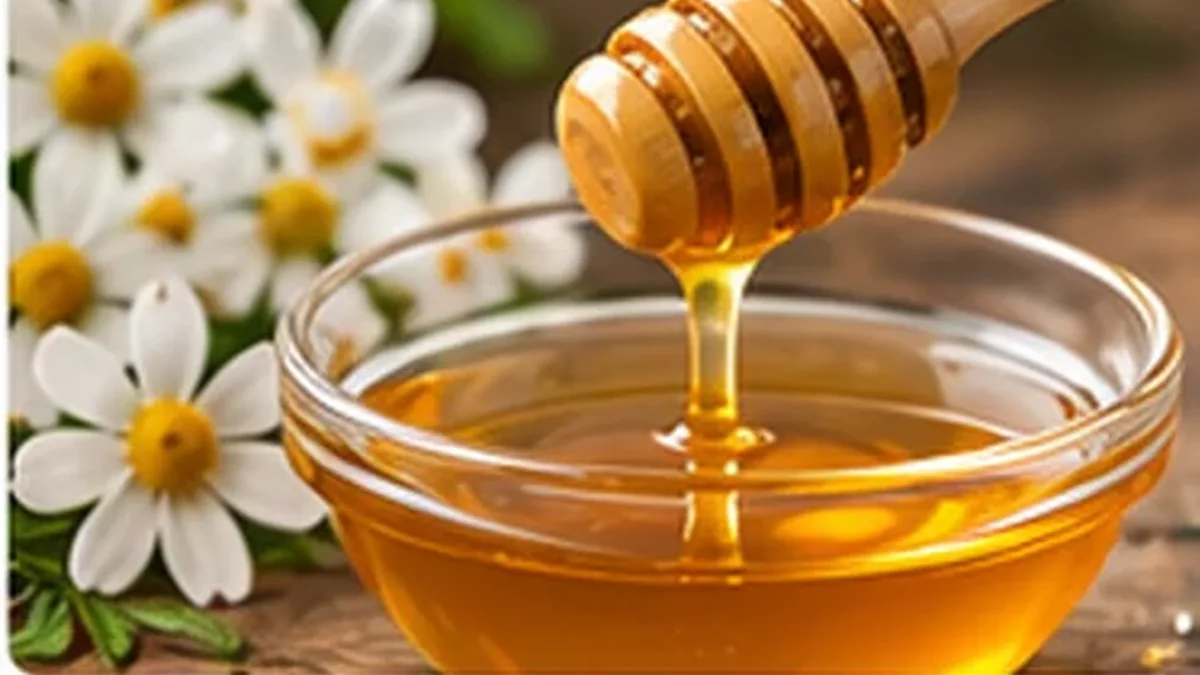
Crystallisation is a natural change in honey, not proof that it has spoiled. In the sections below, we explain the choices that make the biggest difference, with practical examples and ways to use the products in your kitchen.
Crystallisation is a natural process
Honey is a concentrated solution of sugars, mainly glucose and fructose, with a relatively small amount of water. Over time, glucose can separate into crystals. The result may be grainy, cloudy or fully set. This is a physical change rather than automatic evidence that the honey has spoiled.
Why some jars set faster than others
Different floral sources have different proportions of glucose and fructose. Honey with a higher tendency for glucose crystallisation may set more quickly. Tiny particles and existing crystals can also provide starting points for further crystal growth.
What storage temperature does
Temperature affects how quickly crystals develop. Honey stored at some cool room temperatures can crystallise more readily than honey stored warmer, although conditions vary. Refrigeration often encourages a firmer texture and is generally unnecessary for ordinary honey storage.
Is crystallised honey safe to eat?
Crystallisation alone is not a sign of spoilage. Properly stored honey can remain usable while set. However, unusual fermentation, contamination, damaged packaging or off odours are separate concerns that should not be ignored.
How to make honey runny again
Place the closed jar in gently warm water and allow time for the crystals to dissolve. Avoid overheating, direct high heat and microwaving packaging that may not be suitable. Repeated warming can reduce delicate aromas.
Runny and soft-set honey compared
Runny Honey is convenient for drizzling. Soft Set Honey has a deliberately smooth, spreadable crystal structure. Neither is automatically purer or more nutritious simply because of its texture.
Explore the honey collection
Enjoyed this guide? Discover the Author Carl range and compare the available flavours, sizes and ingredients. Product availability and prices are shown on the shop pages.