
Why Seville Oranges Make Traditional Marmalade
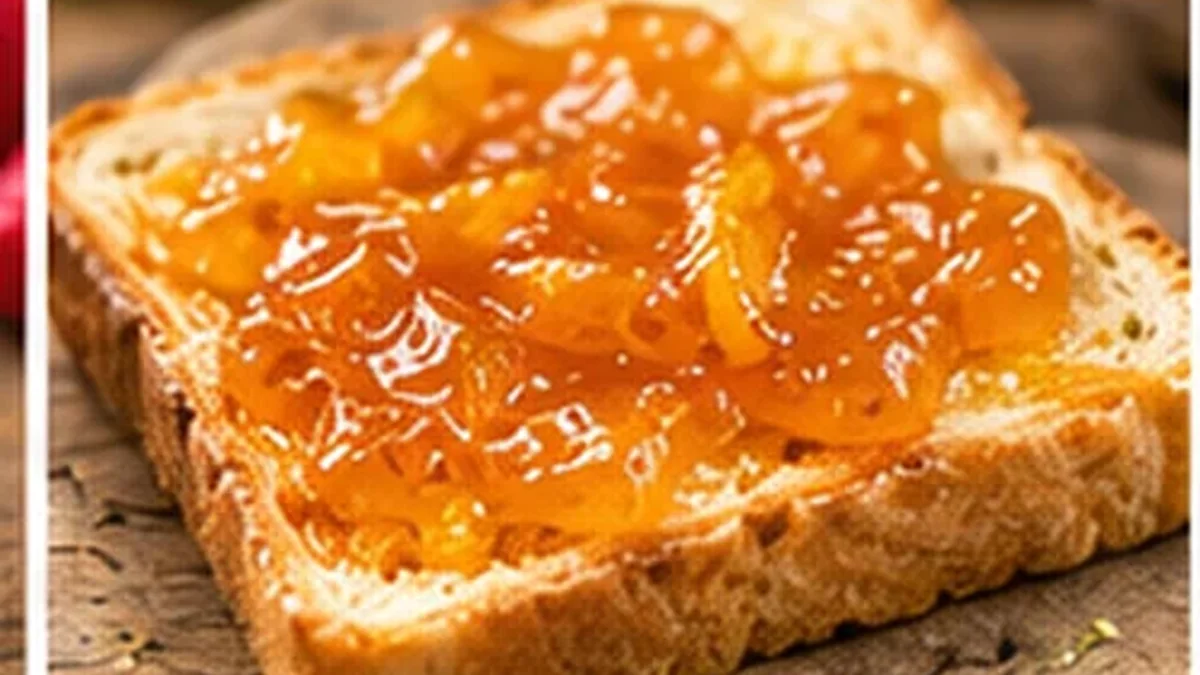
The bitterness and peel of Seville oranges give classic marmalade its identity. In the sections below, we explain the choices that make the biggest difference, with practical examples and ways to use the products in your kitchen.
What makes a Seville orange different
Seville oranges are traditionally valued for their pronounced bitterness, acidity and aromatic peel. They are not usually eaten like sweet oranges. In marmalade, however, those characteristics create a balance with sugar that many people associate with a classic British breakfast.
Why the peel matters
The outer peel carries fragrant citrus oils, while the white pith and membranes contribute bitter compounds and pectin. The thickness and quantity of peel affect both flavour and texture. Some people prefer fine-cut marmalade; others enjoy thick strips with more bite.
Pectin and the set
Citrus peel, pith and membranes contain pectin that helps marmalade gel when combined with suitable acidity, sugar and cooking. Recipes vary considerably, so the setting behaviour depends on the ingredients and how much water is evaporated.
The traditional sweet–bitter balance
The appeal of Seville marmalade is its contrast: sweetness at first, followed by bright citrus acidity and a gentle bitter finish. Ordinary sweet oranges can make a pleasant preserve, but their flavour is different and may require a different recipe.
Adding ginger changes the finish
Ginger introduces warmth and a little aromatic sharpness. It should complement the orange rather than overpower it. Compare Seville Orange Marmalade with Seville Orange & Ginger Marmalade to appreciate the difference.
More ways to enjoy marmalade
Beyond toast, marmalade can be used sparingly in cakes, as a citrus glaze or stirred into a warm sauce. Its sweetness means it can scorch under direct high heat, so apply glazes thoughtfully.
Explore the marmalade collection
Enjoyed this guide? Discover the Author Carl range and compare the available flavours, sizes and ingredients. Product availability and prices are shown on the shop pages.