
Jam, Conserve and Preserve: What Is the Difference?
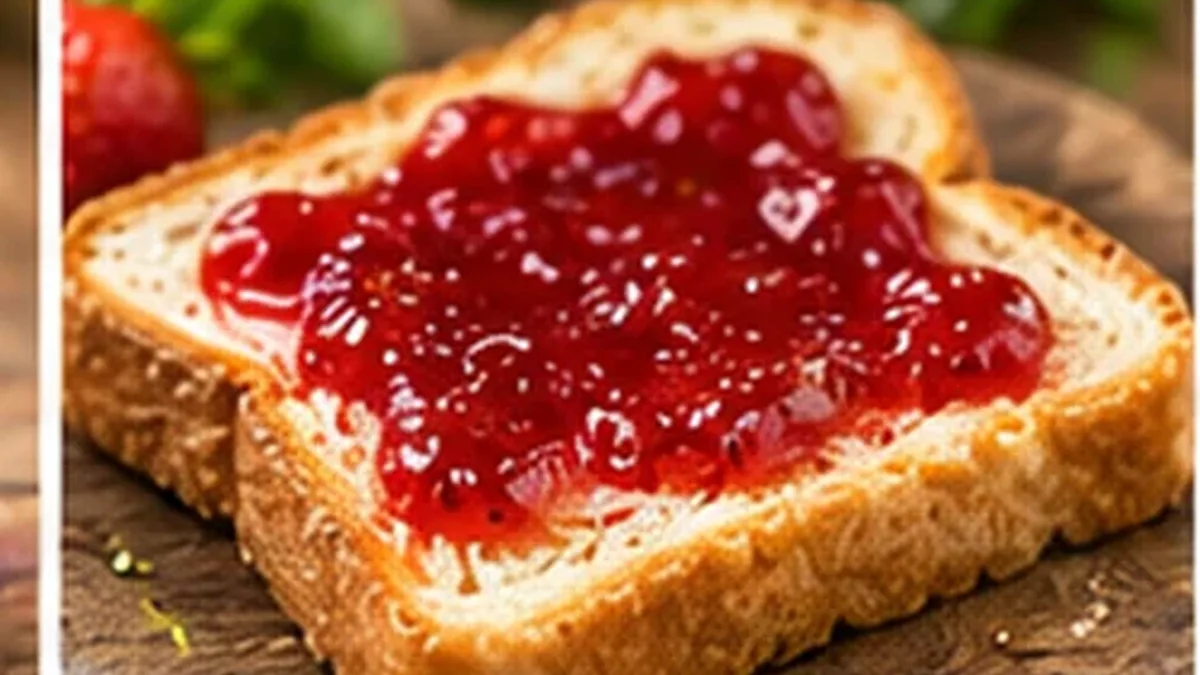
Food labels use overlapping terms, but ingredients and texture matter more than marketing language. In the sections below, we explain the choices that make the biggest difference, with practical examples and ways to use the products in your kitchen.
Why the names are confusing
Jam, conserve and preserve are often used loosely in everyday conversation, and marketing terminology does not always align with technical or legal definitions. In the UK, certain descriptions of jam and related products have compositional requirements. A label should not rely on a casual dictionary definition.
What people usually mean by jam
Jam is generally made by cooking fruit with sugar until the mixture thickens. The fruit may be crushed, chopped or partly intact. A good jam should spread easily and taste recognisably of its fruit.
What conserve often suggests
In ordinary food writing, conserve often suggests a fruit preserve with more recognisable pieces of fruit. However, this is not a reliable guarantee of a particular recipe or legally defined fruit percentage.
Preserve is a broad everyday term
Preserve can describe several methods of keeping food, including jams, marmalades and chutneys. In a shop, it may also be used as a general product description. The precise product name and its labelling requirements still matter.
How texture is created
Pectin, sugar, acidity and evaporation determine whether a fruit mixture gels. Some fruits have plenty of natural pectin; others need a carefully balanced recipe. A high fruit content does not, on its own, guarantee a firm set.
What to check on a jar
Read the ingredients, fruit content, net weight and storage guidance. Compare flavours and texture, not just the front-of-pack terminology. For commercial products, accurate labelling is a better quality signal than grand claims.
Explore the jams collection
Enjoyed this guide? Discover the Author Carl range and compare the available flavours, sizes and ingredients. Product availability and prices are shown on the shop pages.