
When Are Chillies Ready to Pick?
Part of the Gardening & Growing Food hub.
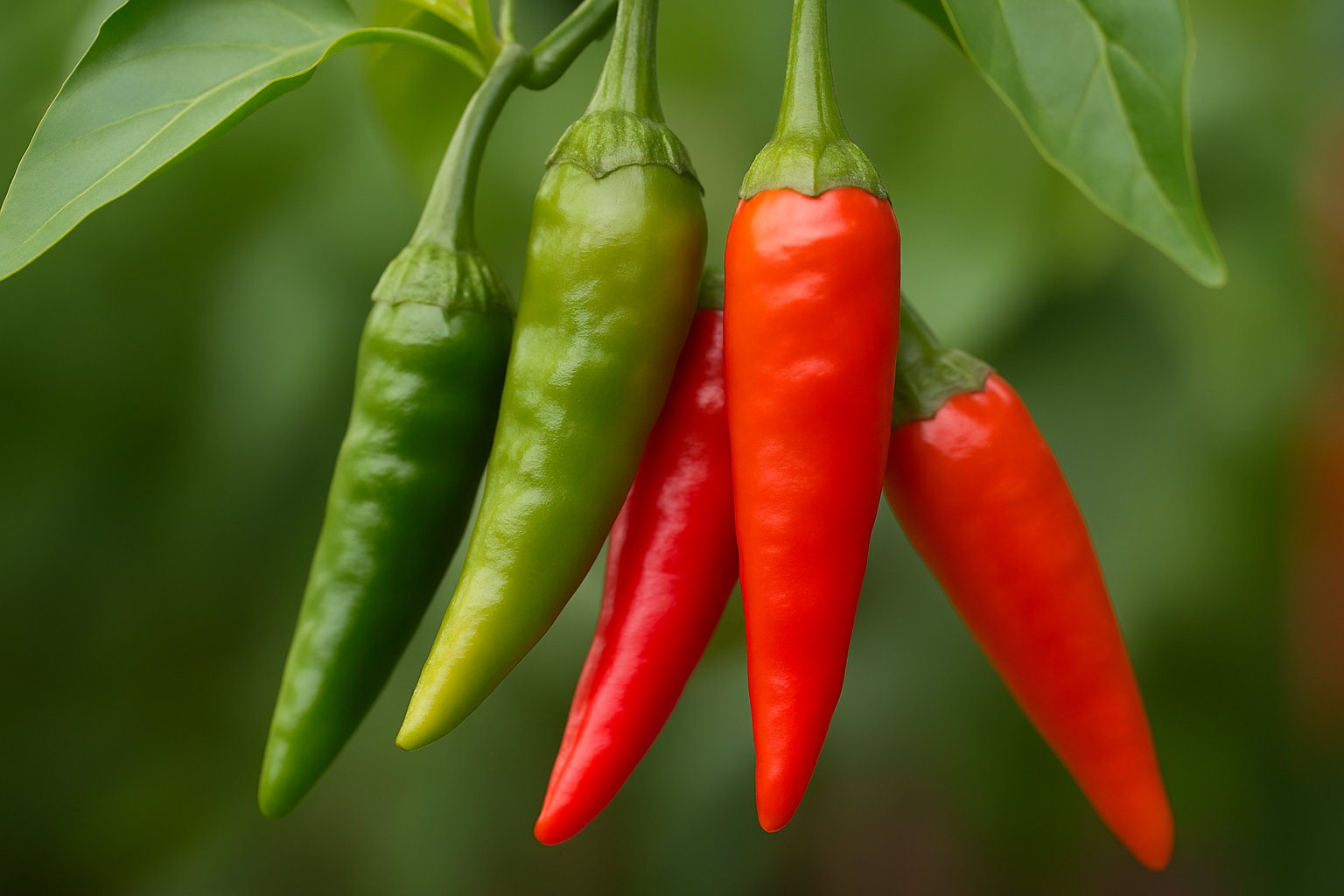
Colour change is your best guide. Here’s how to tell when popular chilli varieties are ripe for harvest so you get better flavour, sweetness and heat.
Quick answer
Most chillies are ready to pick when they’ve changed from their immature green to their final ripe colour (red, orange, yellow or chocolate), feel firm with glossy skin, and come away from the plant with a gentle snip. Leaving them to full colour usually gives sweeter flavour and higher heat than picking them green.
Free Fermentation Safety Checklist
Planning to turn your chillies into sauces or ferments? Get my Fermentation Safety Checklist (PDF) and avoid soft veg, strange smells and beginner mistakes.
Get the free checklistWhy wait for colour?
Chillies start green, then ripen to their mature shade. Picking too early gives a grassy flavour, thinner flesh and usually lower heat. Waiting for full colour brings sweetness, complexity, and maximum capsaicin for that variety.
As the fruit ripens:
- Flavour shifts from sharp and “green” to richer and sweeter.
- Heat often increases as capsaicin levels rise.
- Colour moves steadily from green through intermediate shades to its final tone.
Popular varieties and their ripe colours
Use colour as your main guide, then confirm with feel and overall look.
- Jalapeño: green → red. Often picked green for a fresher flavour; fully ripe pods turn red and taste sweeter, sometimes with a touch more heat.
- Cayenne: green → bright, glossy red. Wait for full red for best drying and powder.
- Habanero: green → orange (or red, brown or yellow depending on variety). Ripe pods are aromatic with fruity heat.
- Ghost (Bhut Jolokia): green → red or chocolate brown. Wait until colour is even across the pod.
- Carolina Reaper: green → deep, wrinkled red with a distinctive “stinger” tail. Pick only when fully coloured.
Other signs your chillies are ripe
- Glossy skin: ripe fruit look brighter and glossier rather than dull.
- Firm but not rock-hard: a little give when gently squeezed, but no soft spots.
- Consistent colour: most of the pod has reached its final shade (a small trace of green at the stem is fine).
If you prefer a slightly greener, sharper flavour, you can harvest a little earlier, but full colour gives the best overall flavour and heat for most varieties.
Can you pick green chillies?
Yes. Many growers harvest some chillies green (especially jalapeños and cayennes) to spread the crop and encourage new flowers. Green fruit:
- Have a fresher, more “vegetal” taste.
- Are usually milder than their fully ripe version.
- Work well for pickling, stir-fries and salsas.
A good approach is to pick a few green pods to use fresh, while leaving the rest to reach full ripe colour for drying, freezing or fermenting.
Speeding up ripening
If the season is closing in and you still have a lot of green fruit on the plants, you can help things along:
- Maximise light and warmth: move pots to the sunniest, warmest spot you have.
- Improve airflow: thin crowded foliage so light and air can reach the fruit.
- Ease off high-nitrogen feeding late season: too much nitrogen can keep plants pushing leaves instead of ripening fruit.
- Before frost: pick mature green fruit (full size) and let them finish ripening indoors in a paper bag with a ripe tomato or banana.
Want to go from seed to bottle?
My chilli book covers varieties, growing, pruning, pests, preserving, fermenting and sauces in one clear, beginner-friendly guide.
Go deeper with the complete chillies guide
For seed-to-sauce coverage—varieties, propagation, pruning, pests, Scovilles, preserving and recipes—get “Chillies — History; Growing; Using — A Comprehensive Guide.”
Summary
Chillies are usually ready to pick when they’ve reached their final ripe colour, feel firm and glossy, and show even colouring across the pod. Picking at full colour gives better flavour and more heat, while green harvests offer a fresher, sharper taste. Use the variety’s expected ripe colour as your main guide, then back it up with feel and overall appearance—and don’t be afraid to leave a few on the plant to fully ripen for drying, freezing or fermenting.