
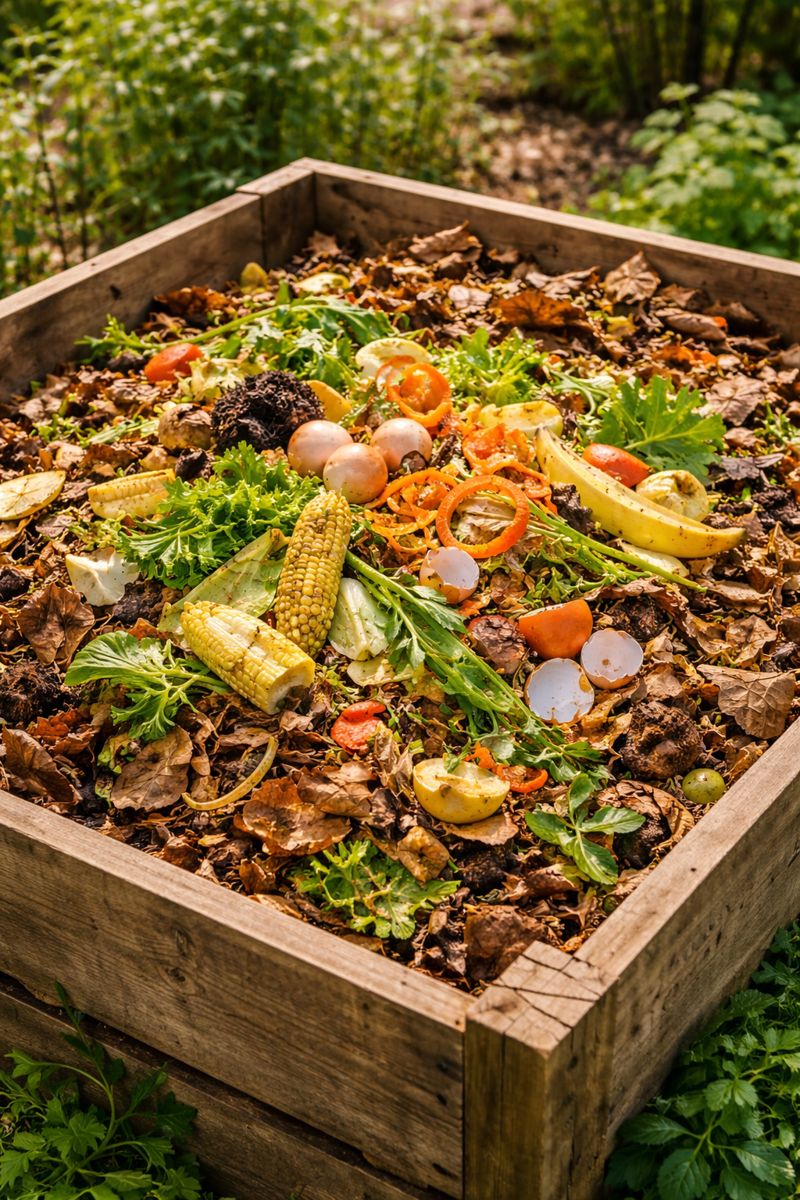
Composting for Beginners: What You Can (And Can’t) Compost
Most compost problems come from one simple mistake: adding the wrong materials, or adding the right materials in the wrong way. A healthy compost heap is basically a managed breakdown of organic matter — but it only behaves well when you balance “greens” and “browns” and avoid the few inputs that cause smells, pests and slow decomposition.
Quick Answer
You can compost most raw plant-based kitchen waste (veg peelings, fruit scraps, coffee grounds, tea bags) and most garden waste (leaves, grass clippings, soft stems). Avoid meat, fish, dairy, oily cooked foods and pet waste in normal home compost bins. For reliability, add roughly two parts browns (dry leaves/cardboard) to one part greens (food waste/grass), and always cover fresh food waste with browns.
1) Compost works when greens and browns are balanced
“Greens” supply nitrogen and moisture. “Browns” supply carbon and structure. If you add too many greens without browns, the heap becomes wet and compacted, oxygen drops, and you get odours.
2) What you can compost (safe, boring, effective)
| Type | Examples | Notes |
|---|---|---|
| Kitchen greens | Veg peelings, fruit scraps, coffee grounds | Always cover with browns |
| Garden greens | Grass clippings, soft plant trimmings | Mix grass through—don’t dump in mats |
| Browns | Dry leaves, shredded cardboard, torn paper | Stops smell and compaction |
| Structure | Small twigs, woodchip, coarse stems | Improves airflow |
| Eggshells | Crushed shells | Slow to break down—crush small |
3) What to avoid (most beginner “rat and smell” causes)
- Meat/fish: strong smells, attracts pests.
- Dairy: odour + pests, breaks down badly in home bins.
- Cooked/oily foods: rancid smells and scavengers.
- Pet waste: pathogens — don’t use in food-growing compost.
- Diseased plants: can spread problems back into your garden.
4) The fastest way to keep compost trouble-free
- Keep a browns stash: a bag of shredded cardboard or dry leaves ready at all times.
- Cover food waste: bury it, or cap it with a thick layer of browns.
- Don’t dump grass: mix grass through with browns as you add it.
- Keep rain out: waterlogging is a common UK problem.
- Add structure: a few handfuls of twigs/woodchip reduces compaction.
Want a full beginner system (without the smell, pests or guesswork)?
My book The Beginner’s Guide to Composting shows you exactly how to build, balance and maintain a compost setup that works in real UK homes — including troubleshooting, what to add, what to avoid, and how to get reliable, garden-ready compost.
Start simple and win
Composting doesn’t need special gear. It needs consistency: balance greens with browns and keep airflow and moisture under control.
Clear steps. Real materials. Reliable results.Summary
Compost works best when you stick to plant-based waste, always add enough browns, and avoid meat, dairy and oily cooked foods. Keep a stash of browns, cover food waste, and stop rain from soaking the heap — and most compost problems never start.