Fastest beginner win
Garlic is predictable and rewarding. If you get planting timing, drainage and curing right, you can store bulbs for months.

Author Carl – Carl Williams
This hub is the “start here” page for growing food on AuthorCarl.co.uk — written for real UK gardens and real schedules. The aim is simple: fewer mistakes, better timing, and repeatable results.
Most gardening advice fails because it skips the boring bits that actually decide success: temperature, light, drainage, watering rhythm, and harvest timing. If you fix those basics, you can grow surprisingly well in the UK — even with a small patio, a few pots, or a bright windowsill.
This hub focuses on the highest-return skills and crops: chillies (warmth + harvesting), garlic (timing + curing), compost (soil improvement), and simple indoor growing (light + warmth). Use the on-page links to jump to what you need today, or scroll to the auto “All posts” list for everything in this hub.
On this page:
If you want better results without turning gardening into a second job, follow these rules. They apply to almost everything you’ll grow — in beds, pots, or a greenhouse.
Garlic is predictable and rewarding. If you get planting timing, drainage and curing right, you can store bulbs for months.
Chillies reward warmth and patience. When you harvest ripe pods, the flavour jump is huge — especially for sauces.
Compost improves structure and moisture handling. Even basic composting makes pots and beds behave better.
If you’re growing food because you want more flavour (and less waste), pair this hub with: Fermentation & Preserving Guides. Growing and preserving together is how you get the real payoff.
You don’t need a complicated calendar — you need the right order. Most UK growing problems happen because plants are started too late, moved out too early, or harvested at the wrong stage.
The simplest way to stay consistent: once a week, check light, water, and temperature. Once a month, check whether each plant is in the right pot size and whether growth stage has changed (seedling → vegetative → flowering/fruiting).
Chillies are simple once you accept the UK reality: they’re a warm-climate plant. Success comes from starting early, providing enough light, keeping nights warm enough, and harvesting when pods are truly ripe.
When you do get a harvest, don’t waste it. Chillies are perfect for preserving — especially fermentation for sauce. See: Fermentation & Preserving Guides.
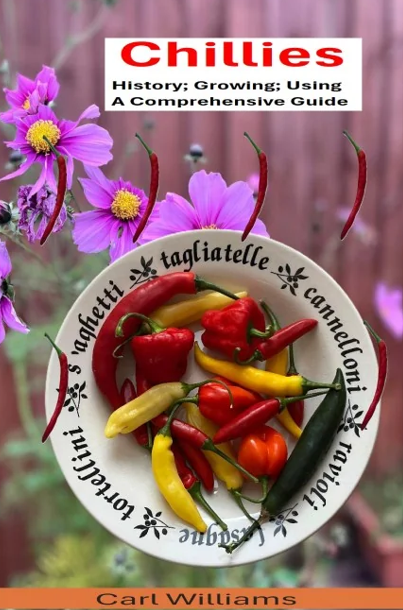
Varieties, cultivation, harvesting, preserving and recipes — start to finish.
DetailsFermented chilli sauce turns surplus pods into something you’ll actually use. Starter kit →
Garlic is one of the best UK crops because it’s predictable once you follow the rules. When people get small bulbs or garlic that rots in storage, the cause is almost always one of four things: poor drainage, cramped spacing, bad harvest timing, or bad curing.
Harvesting “whenever it looks big” is how you end up with small bulbs or split skins. Curing is what turns fresh garlic into stored garlic. If you rush curing, garlic often goes soft, mouldy or sprouting early. The goal is dry outer skins and a fully dried neck before storage.
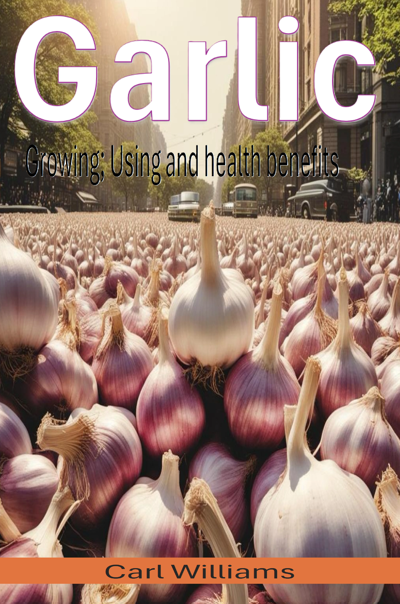
Planting, growing, curing, cooking — plus the science behind garlic flavour.
DetailsGarlic is brilliant for pickles and ferments once you’re growing it reliably. Start here: Fermentation & Preserving Guides →
Indoor growing works when you treat it like a simple system: light + warmth + drainage + rhythm. Most indoor failures are watering failures caused by low light (compost stays wet for too long).
If you ever think “this plant needs feeding”, check light and temperature first. Feeding a plant that’s stalled due to cold or weak light usually makes problems worse.
Composting is not complicated. Most bad compost smells and pest issues come from the same mistake: too wet + too compacted + too many greens. A simple balanced heap is enough to improve soil structure and moisture handling — which improves almost every crop.
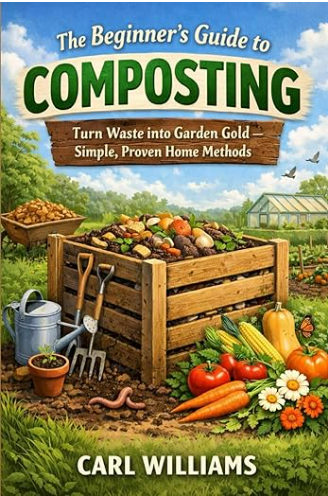
Turn kitchen scraps and garden waste into rich, garden-ready compost — without bad odours, pests or guesswork.
Book detailsWhen something looks wrong, don’t guess. Work through the likely causes in order: drainage → temperature → light → watering rhythm → pests → feeding. Feeding is rarely the first fix.
Often overwatering or poor drainage. Let compost dry slightly, confirm pot holes are clear, and avoid leaving pots in standing water.
Usually cold nights or weak light. Warmth + light fixes more than feeding does. Check that roots aren’t sitting wet.
Check the underside of leaves early. Treat quickly before populations explode, and isolate badly infested plants indoors.
Usually light/temperature. Chillies need warmth and time. Don’t expect heavy fruiting in cool, low-light conditions.
Usually too wet and compacted. Add browns (cardboard/leaves) and improve airflow. Smell is a moisture + air signal.
Growing food is satisfying. Preserving it is what makes it genuinely useful. Chillies become sauces and flakes. Surplus becomes shelf-stable food. Scraps become compost. If you want the simplest “grow → preserve” path, start with fermentation: Fermentation & Preserving Guides.
If you want full start-to-finish methods with UK-friendly timings, these are the core gardening titles.
Varieties, cultivation, harvesting, preserving, and recipes in one practical guide.
Details
Planting, growing, curing, cooking — plus the science of garlic flavour.
Details
Turn waste into garden-ready compost — without bad odours, pests or guesswork.
Book detailsEvery post in this hub (newest first). To include a post here, make sure its front matter contains: tags: ["post"] and hub: "gardening-and-growing-food".
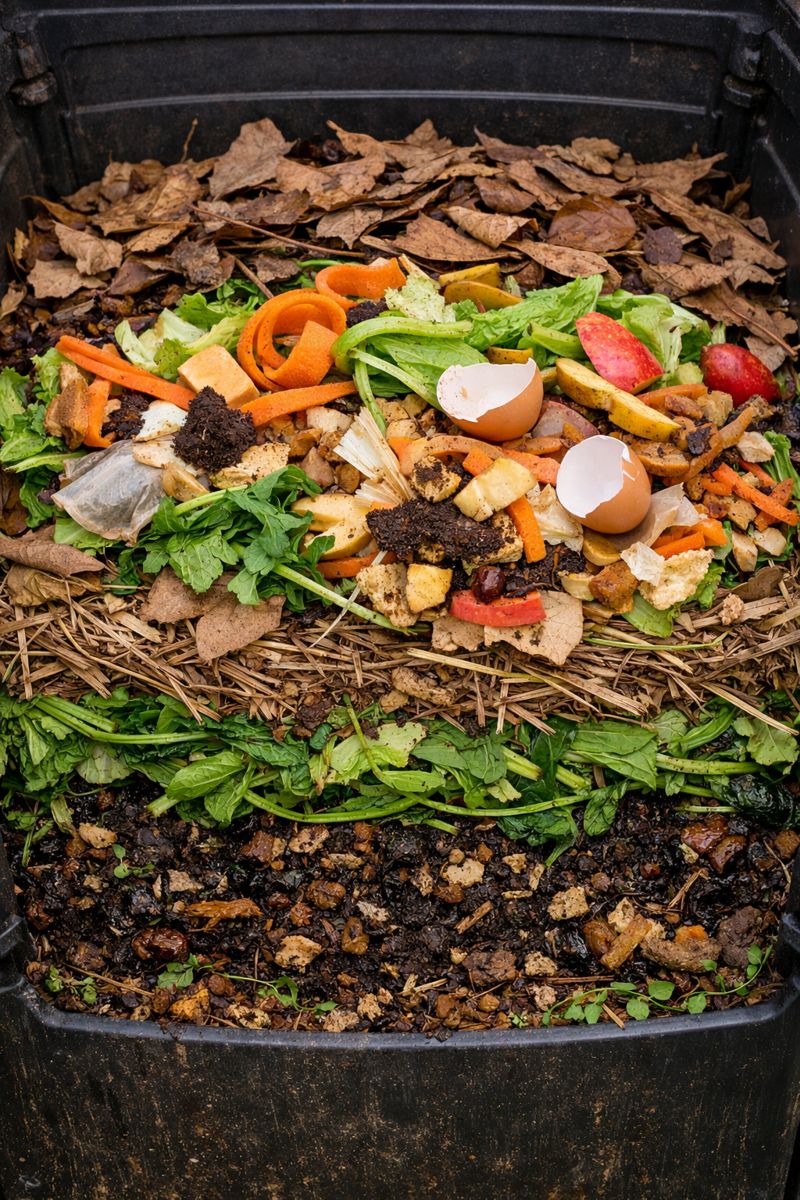
Bad compost odours usually mean the pile is too wet, too compacted, or too high in ‘greens’. Fix it quickly with air, carbon and the right moisture level.
Read →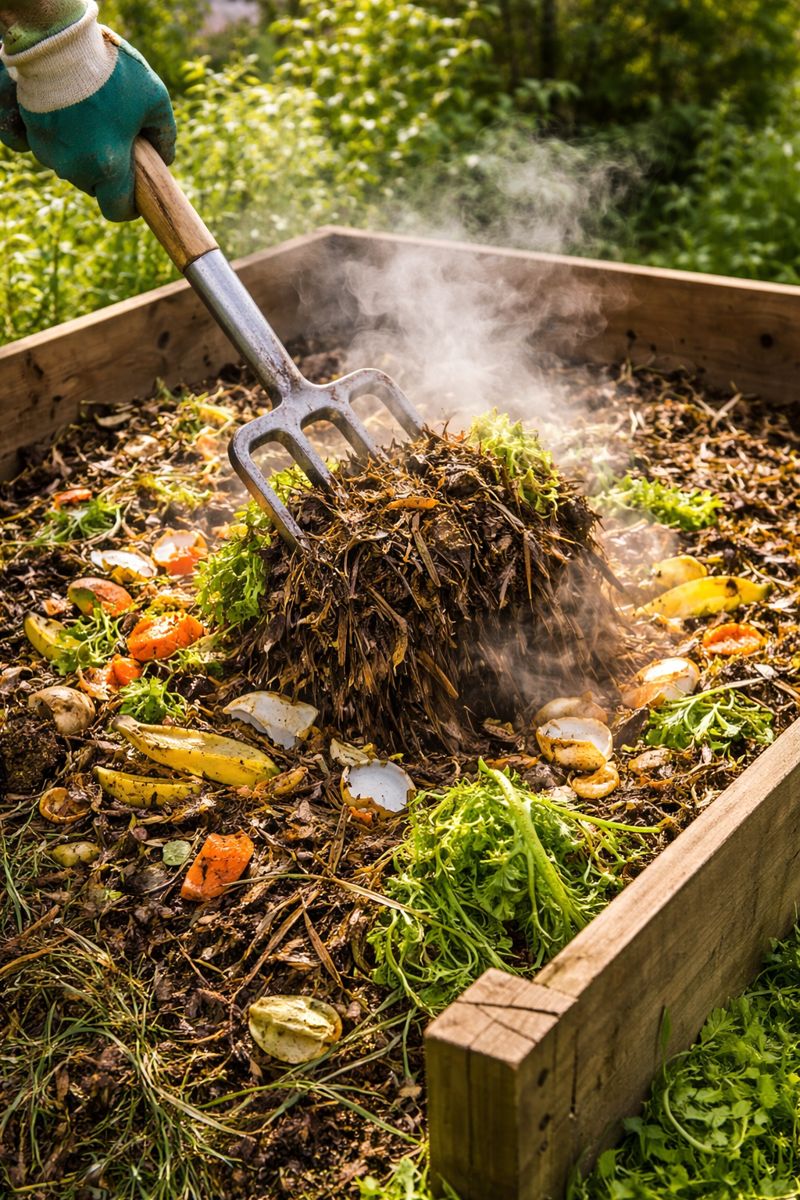
Cold compost is usually too small, too dry, too compacted, or too low in greens. Fix it with volume, moisture, oxygen and the right balance.
Read →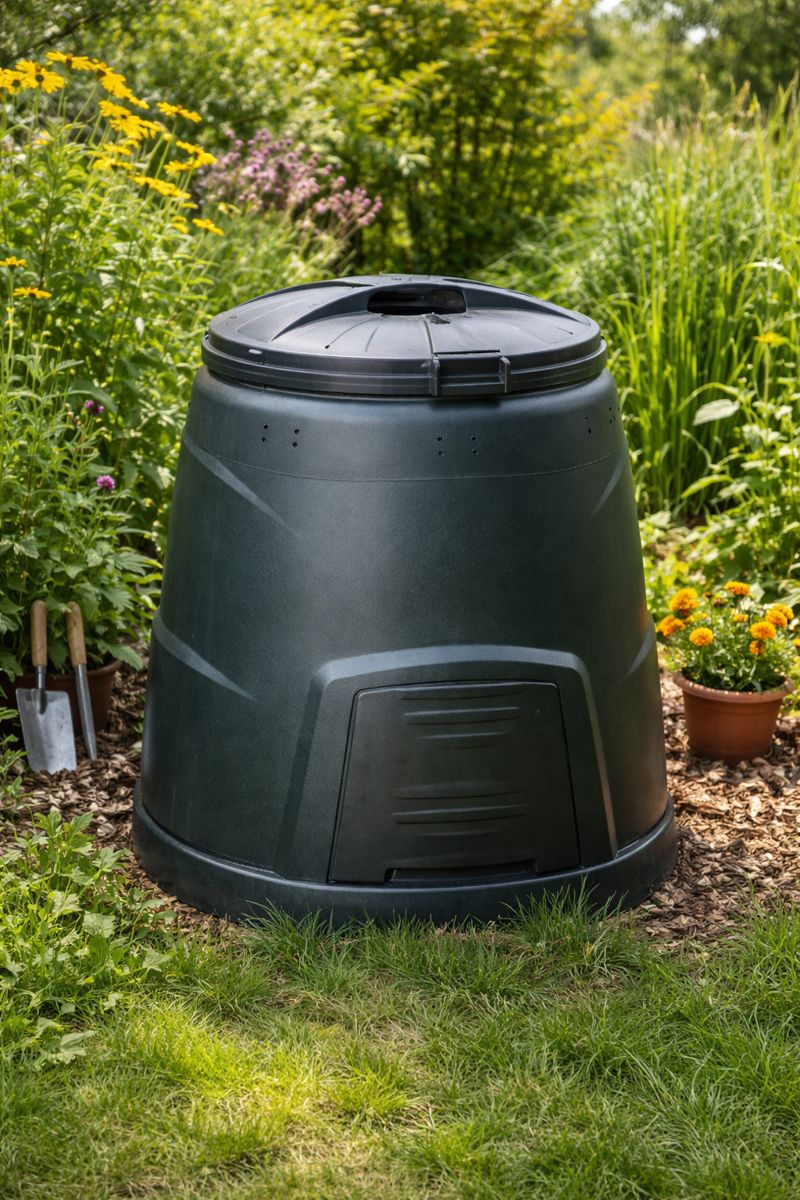
Rats are attracted by exposed food, strong smells and easy access — not compost itself. Here’s how to compost food waste safely in UK gardens.
Read →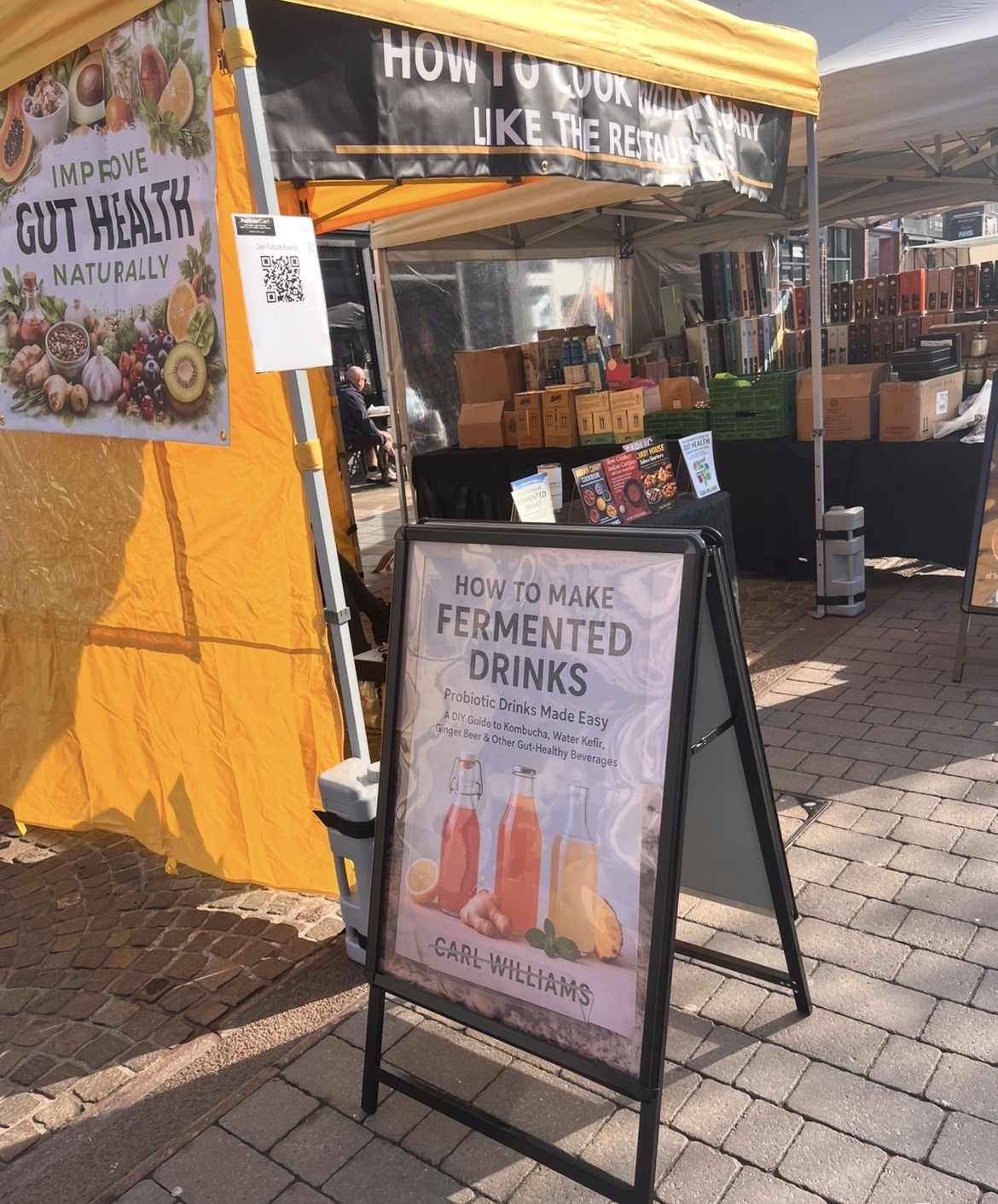
A recap of my first day selling books at Ormskirk Market in West Lancashire, with photos from the stall, what was on display, and where to find future market dates.
Read →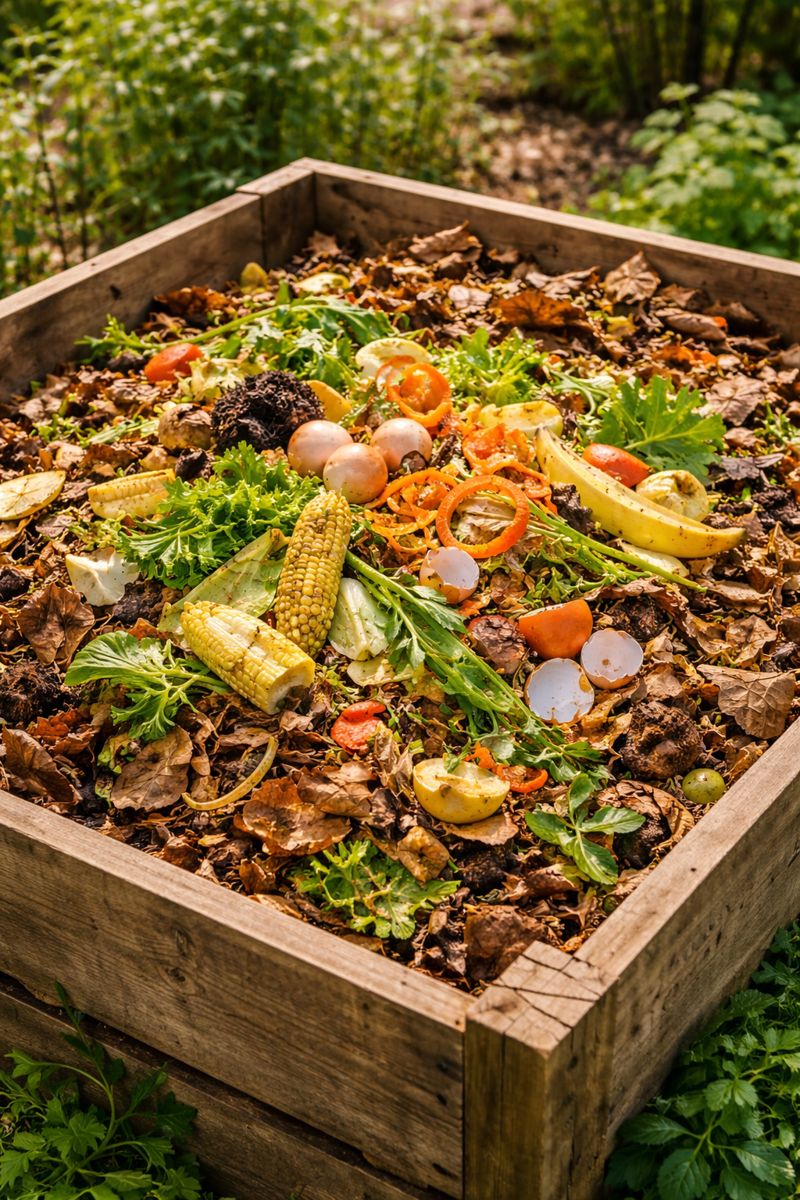
Most compost problems come from one simple mistake: adding the wrong materials, or adding the right materials in the wrong way. A healthy compost heap is basically a managed breakdown of organic matter — but it only behaves well when you balance “greens” and “browns” and avoid the few inputs that cause smells, pests and slow decomposition.
Read →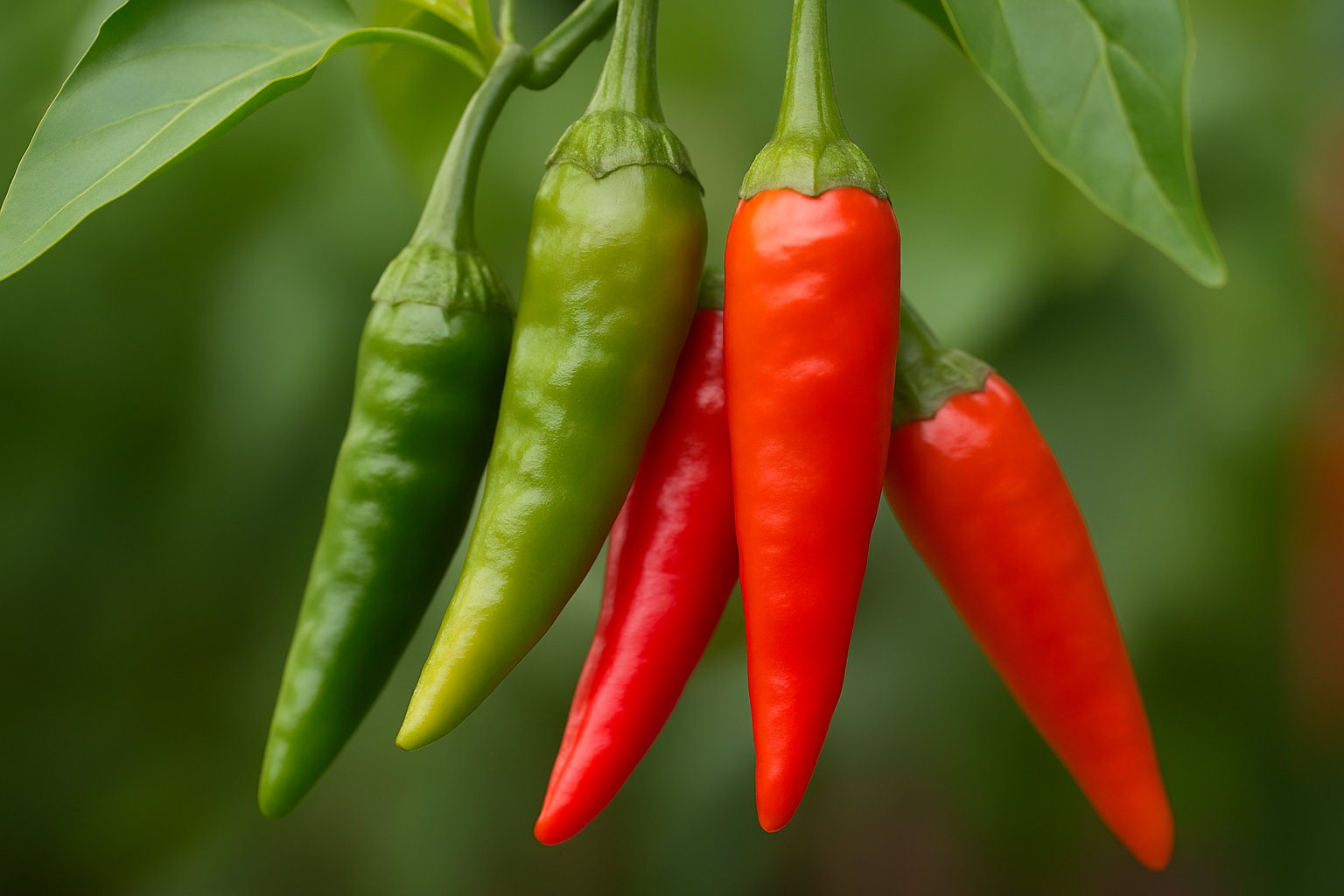
Colour change is your best guide. Here’s how to tell when popular chilli varieties are ripe for harvest so you get better flavour, sweetness and heat.
Read →When the variety reaches its final ripening colour and stays stable for several days. “Ripe” isn’t always red.
Yes, but warmth and shelter matter. Greenhouse/polytunnel/sunny patio improves growth and ripening.
Usually spacing and drainage, plus harvest timing. Curing correctly is what makes garlic store.
Lack of light. Move to a brighter spot or use a grow light, and avoid overwatering in low light.
Greens + browns + air + sensible moisture. If it smells, it’s usually too wet and compacted — add browns and airflow.
Fermentation is one of the best for flavour. It turns surplus pods into sauces that taste deeper than vinegar-first recipes.