Blog

Fermentation, pickling, jam, bacon, chilli and Indian curry guides—always step-by-step, safety-first, and written for real home kitchens.

Use these articles to understand the why behind each method, then dive into the books for full recipes, ratios and troubleshooting.

New here? Start with safety and the basics.

If you’re new to fermenting, pickling or preserving, begin with the free Fermentation Safety Checklist, then explore the three hubs below.

Latest Posts

The newest additions across all topics.

Fermentation & Preserving

Safe ferments, pickling, vinegar, jam and shelf-life basics.

View hub →
Bottles of hot sauce with chillies and a fermentation jar in the background

Why Fermented Hot Sauce Tastes Better Than Vinegar Sauces (Science Explained)

A lot of hot sauces are basically chilli + vinegar + salt (sometimes with sugar and thickener). They can be sharp and enjoyable, but they often taste one-dimensional. Fermented hot sauce tastes different because the acidity isn’t just “added” — it’s created. During lactic fermentation, microbes convert sugars into lactic acid and a whole set of flavour compounds that add depth, aroma and savoury complexity. That’s why fermented sauces often taste rounder, richer and more “alive”.

Read more →
A bowl of Indian curry with spices, lentils and yoghurt, showing gut-friendly elements of traditional cooking

Is Indian Food Bad for Your Gut? (The Truth About Curry, Spices and Fermentation)

Indian food isn’t bad for the gut. The problem is often modern takeaway-style curry: large portions, lots of oil, refined carbs, alcohol, and eating late. Traditional Indian cooking is rich in fibre, polyphenols, legumes and fermented foods (dahi, lassi, dosa/idli batters, pickles) — all of which support the microbiome. This article explains why curry gets blamed, what actually causes discomfort, and how to make gut-friendlier curry at home without losing flavour.

Read more →
Side-by-side comparison of UK back bacon and streaky bacon

Why UK Bacon Is Different Abroad

If you’ve ever ordered bacon on holiday and thought, “This isn’t like home,” you’re not imagining things. UK bacon really is different—in the cut, the cure and how it cooks.

Read more →
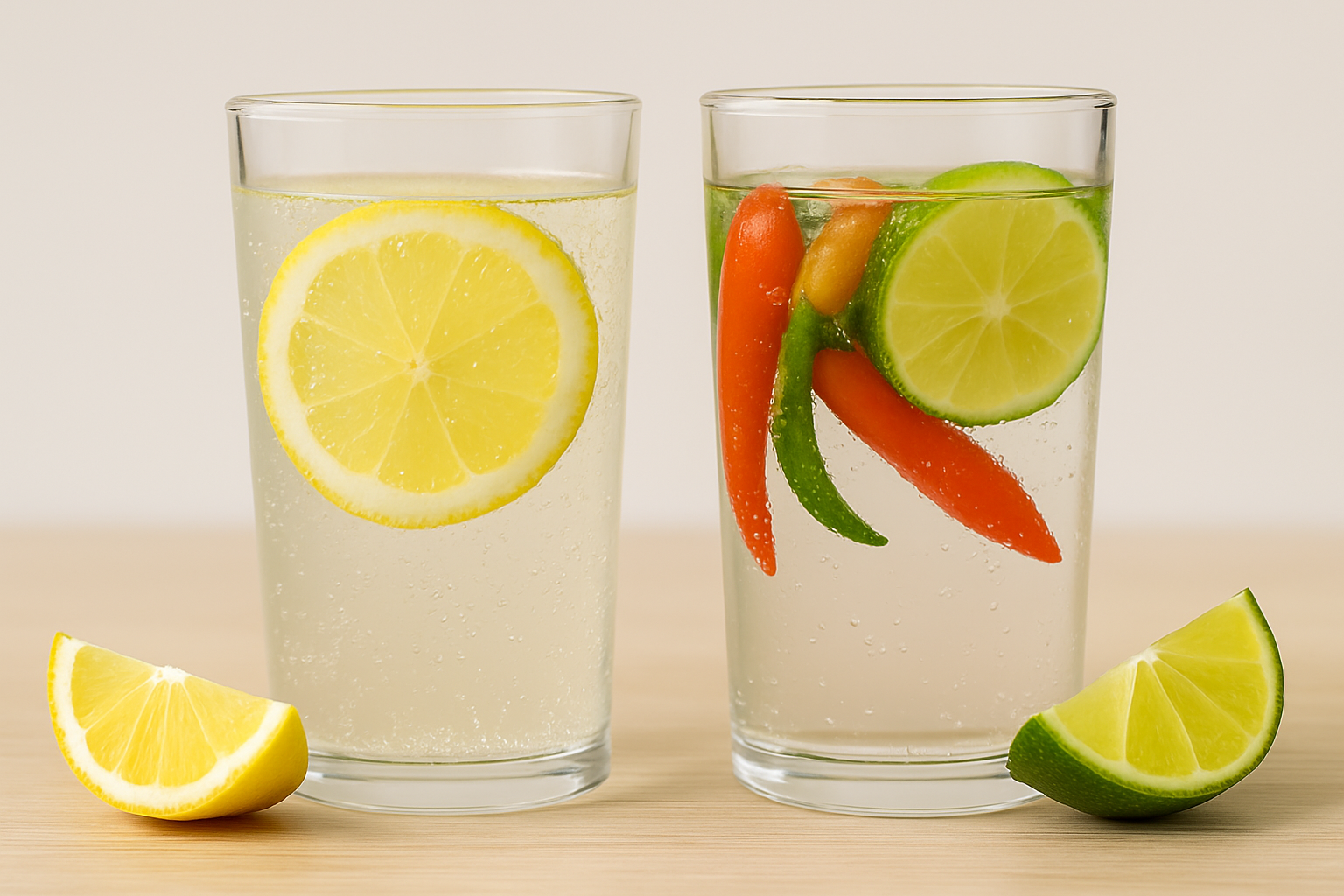
Two glasses of sparkling water kefir with citrus

Water Kefir: A Crisp Summer Guide

Lightly sweet, gently fizzy, and endlessly customisable—water kefir is the perfect probiotic refresher for warm days. Use this quick-start guide to understand the basics of fizz, flavour and grain care.

Read more →

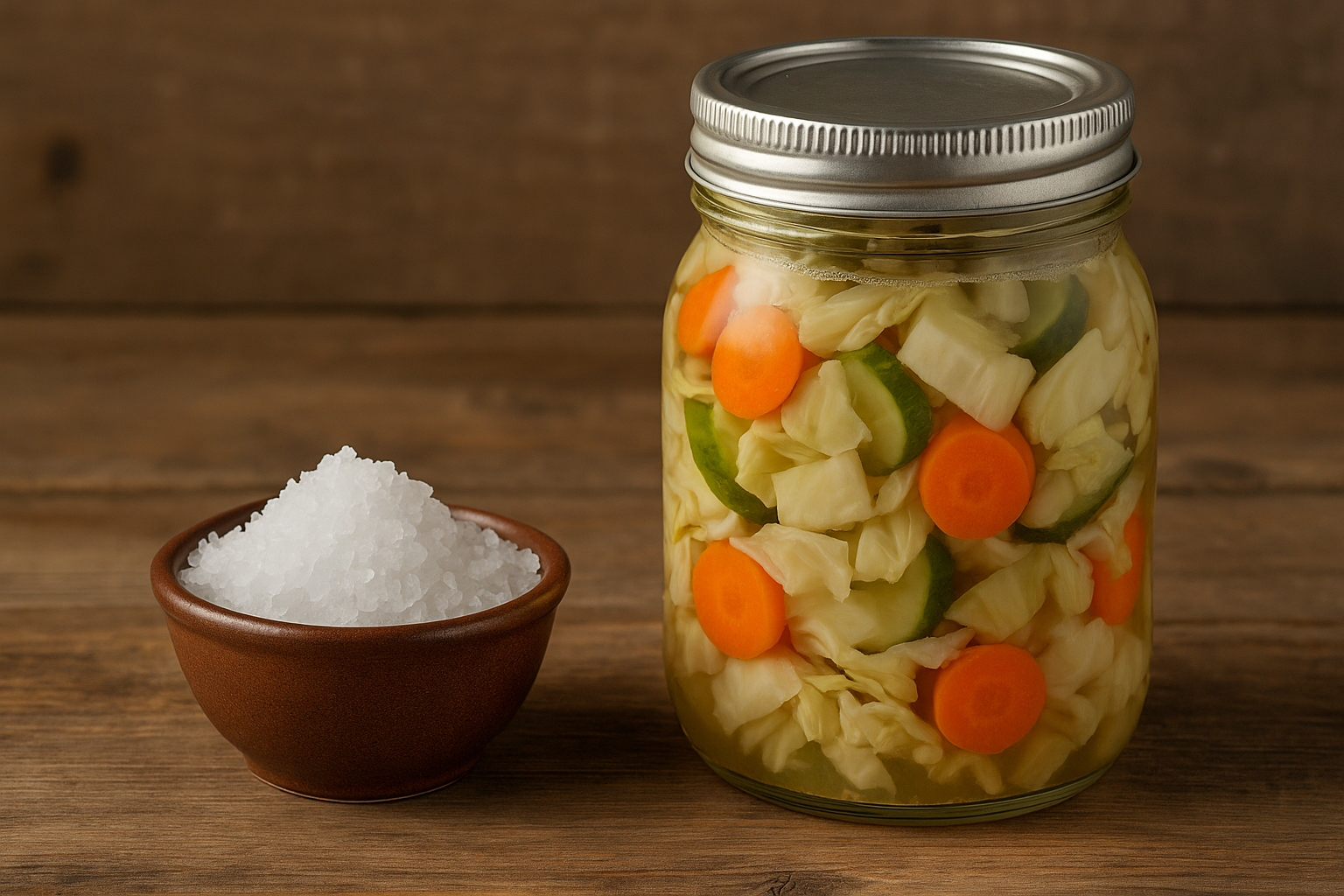
Coarse sea salt beside a jar of fermenting vegetables

Using Salt Correctly in Pickling and Fermentation

Salt isn’t just about taste—it controls texture, draws water and sets the right conditions for safe, predictable ferments and crisp pickles. Here’s what you need to know about salt types, weighing and common mistakes, without giving away full ratios.

Read more →

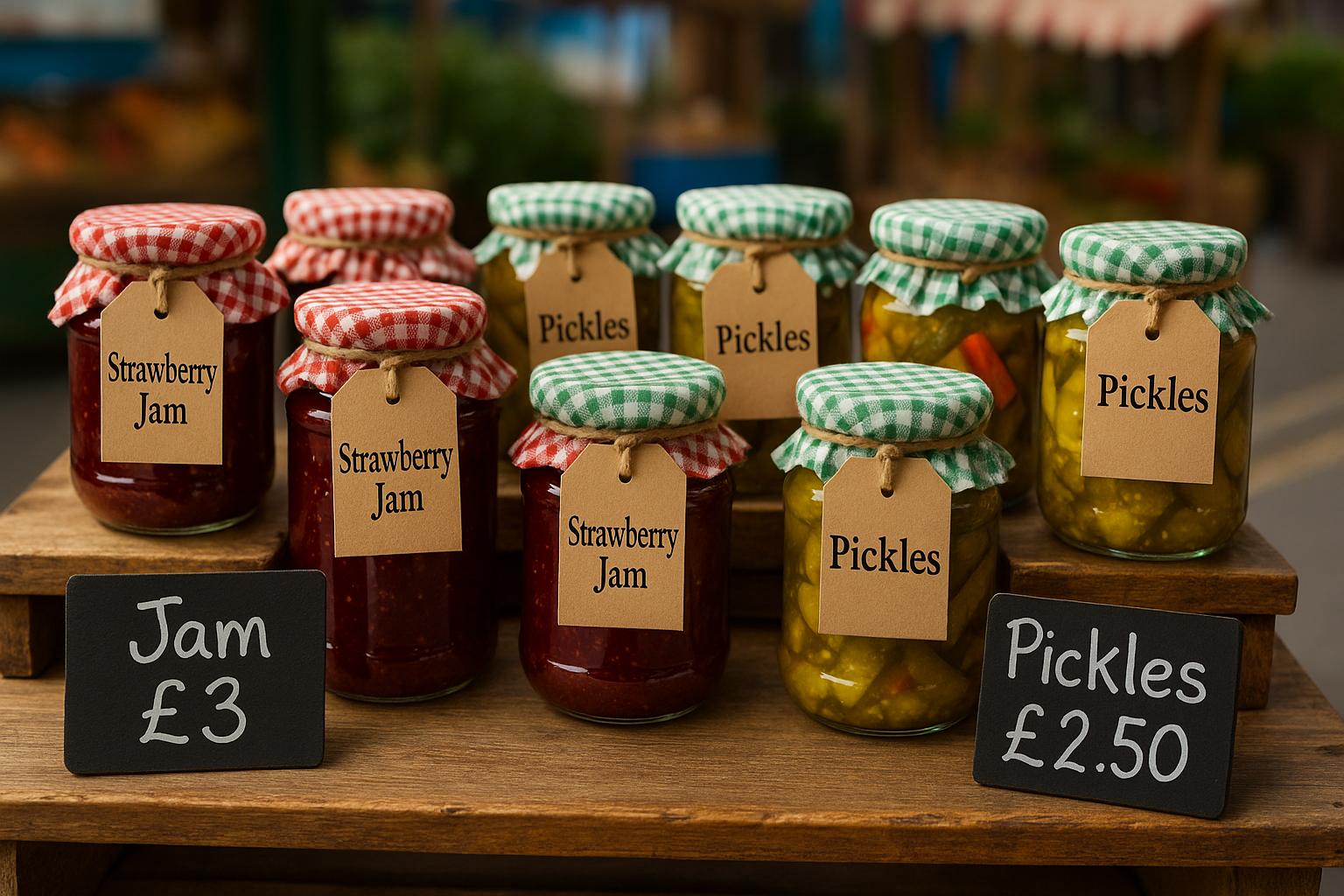
Homemade jams and pickles displayed with price tags at a small UK market stall

Selling Homemade Preserves Legally in the UK – Book Guide

Plenty of people in the UK quietly sell homemade jams, chutneys and pickles at markets and from home. Some do it fully compliant. Others are trading on guesswork and Facebook rumours. If you’re serious about selling homemade preserves legally – and sleeping at night – you need to understand a few basics properly.

Read more →

Bowls of yoghurt, sauerkraut and kimchi arranged on a table as gut-friendly fermented foods

Fermented Foods for Gut Health – Book Guide

Everywhere you look, someone is promising that a spoonful of this or a shot of that will “heal your gut” overnight. On the other side, you have people saying it’s all nonsense. The truth – as usual – sits quietly in the middle. Fermented foods can support a healthy gut, but they aren’t a magic fix and they only work if you use them properly

Read more →
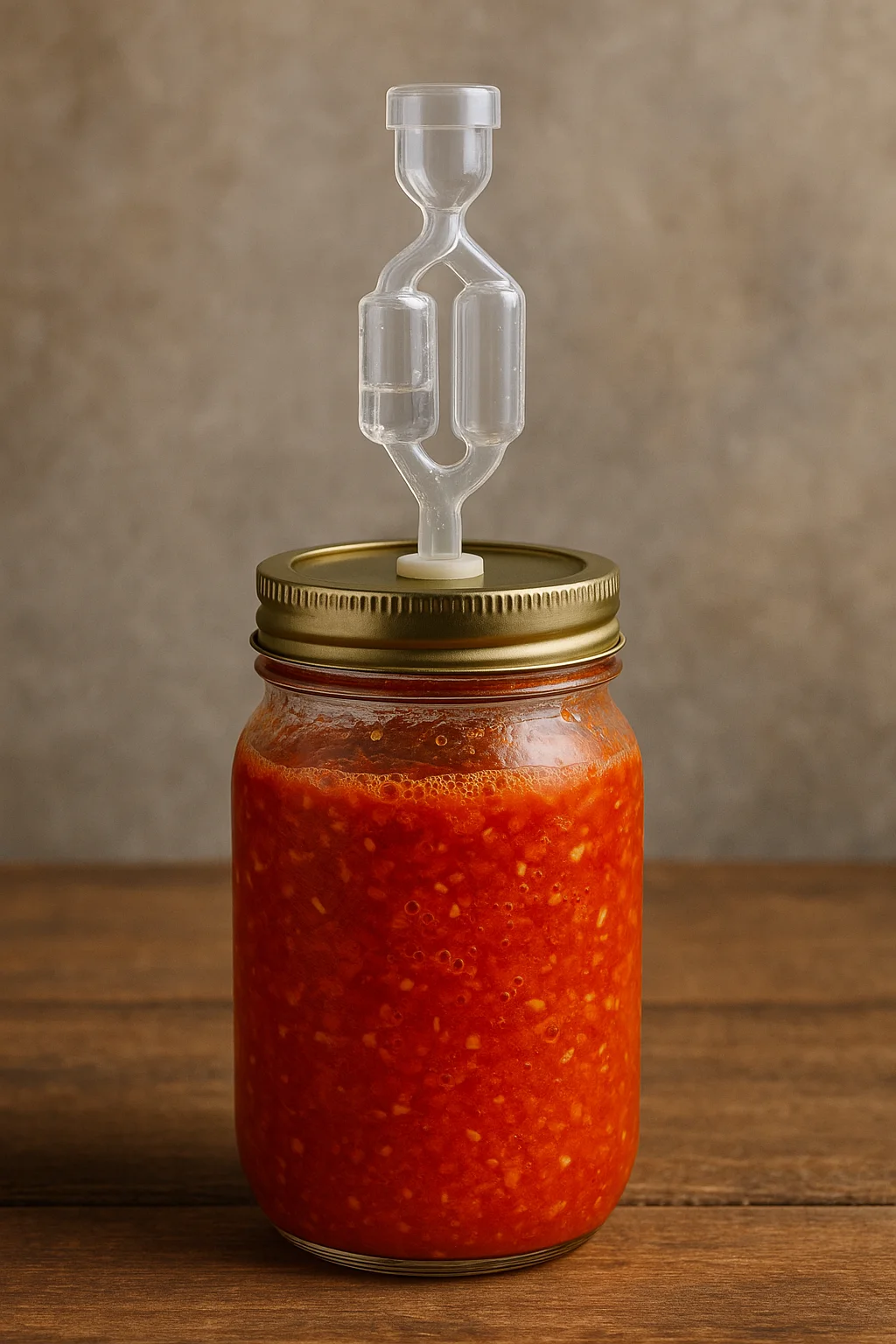
Jar of fermented chilli mash bubbling with an airlock

Fermented Chilli Sauce: A Beginner’s Guide (UK)

Fermented hot sauce delivers a deeper, rounder flavour than straight vinegar sauces—thanks to lactic acid, gentle funk and natural complexity. Here’s what makes it special, the kit you actually need, and the key safety basics, without giving away a full recipe.

Read more →
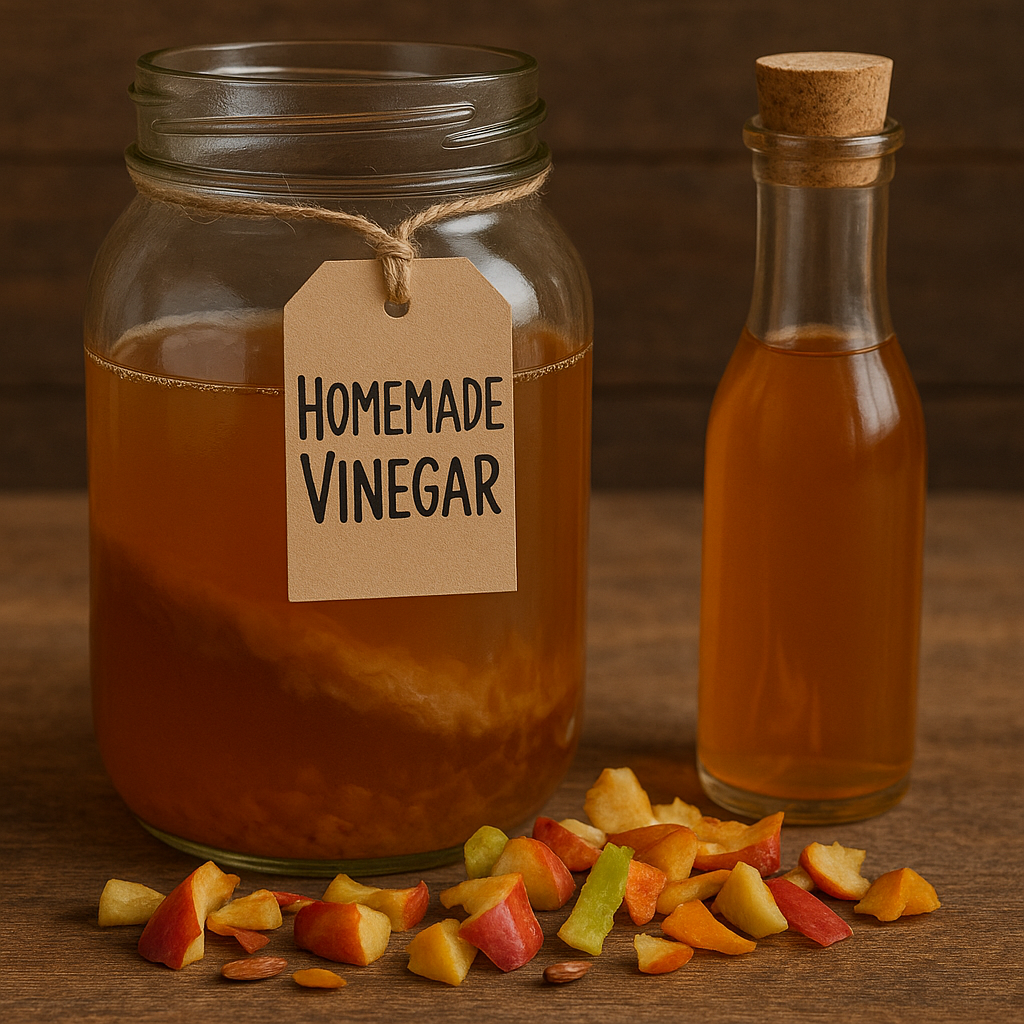
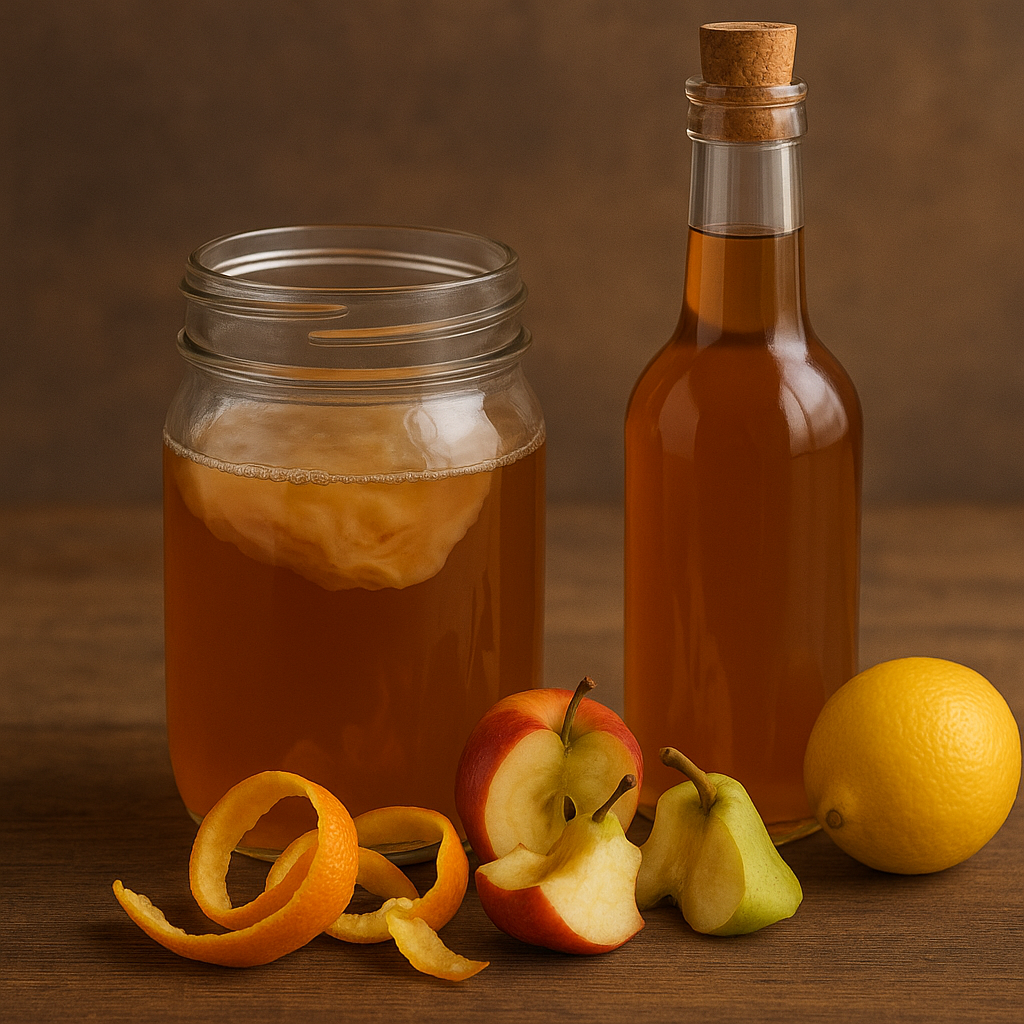
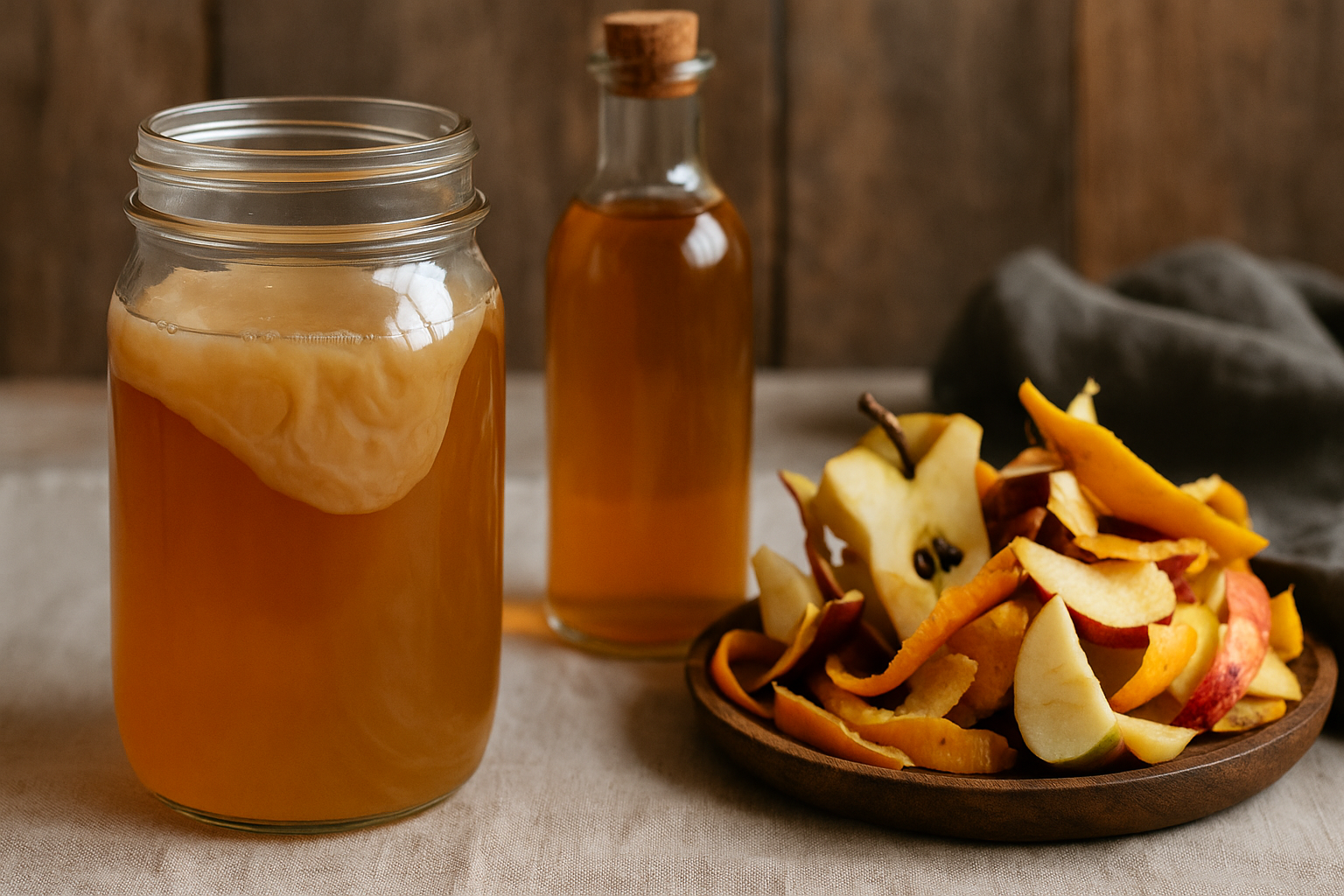
Jar of homemade vinegar with a visible mother beside fruit scraps and a bottle of finished vinegar

Do You Need a Vinegar “Mother” to Make Homemade Vinegar?

If you’ve ever searched for homemade vinegar recipes, you’ve probably seen photos of a strange jelly-like disc floating in the jar. That’s the vinegar “mother”. Some people treat it like magic; others are quietly horrified by it. So what is it, and do you actually need one to make good vinegar at home?

Read more →
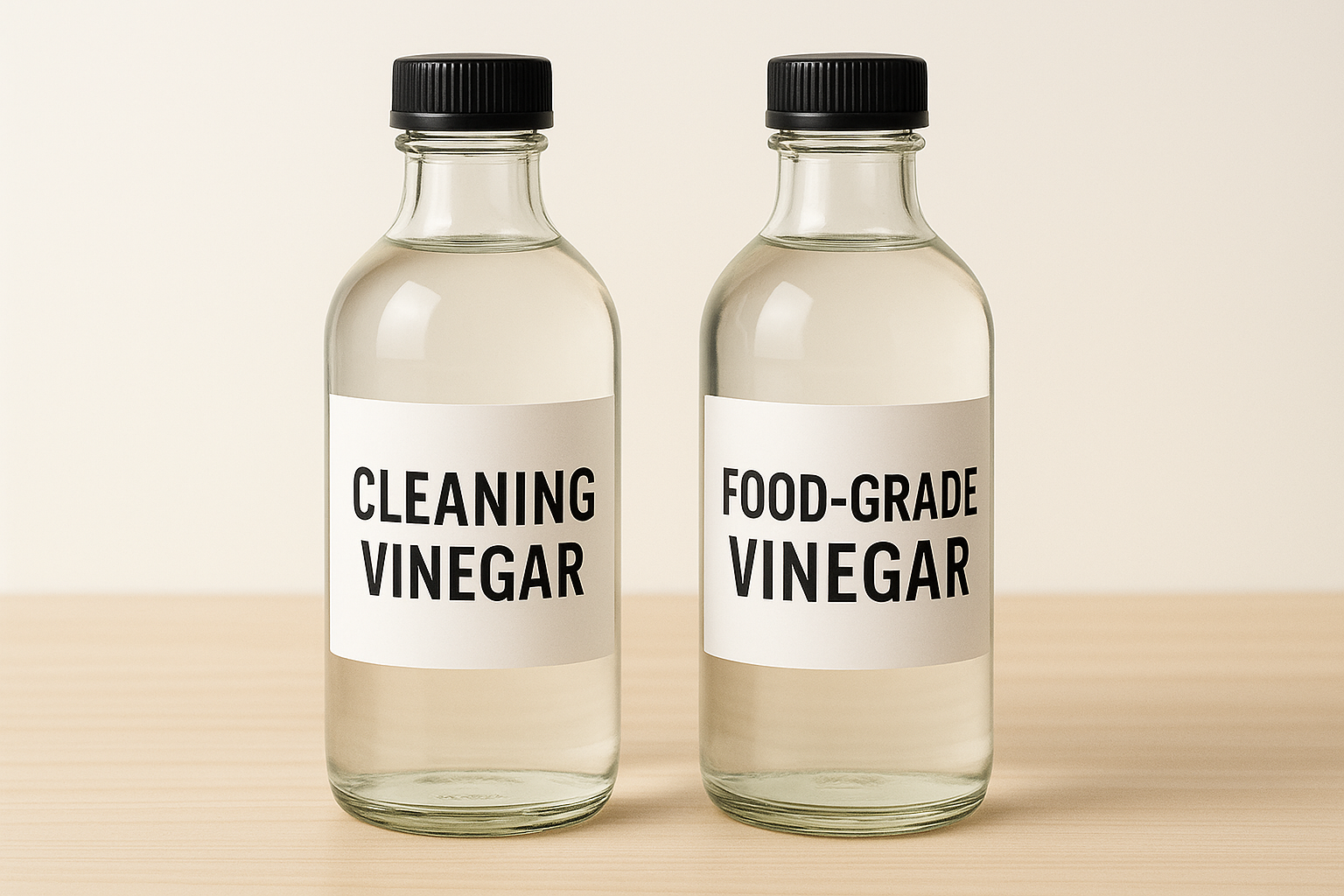
Two bottles labelled cleaning vinegar and food-grade vinegar

Cleaning vs Food-Grade Vinegar: What’s Safe to Eat?

Food-grade vinegar is made for eating and preserving under food safety rules, typically around 5% acidity, and is labelled for culinary use. Cleaning vinegar is made for household cleaning, is often stronger, and is not intended for eating or pickling. If the label doesn’t clearly say it’s for food use, don’t consume it.

Read more →
Indian Curry Guides

BIR methods, base sauce, spice timing, and takeaway-style flavour.

View hub →
Indian curry in a slow cooker with spices beside it

Why Slow Cookers Struggle With Indian Curries (And How to Fix It)

Slow cookers struggle with Indian curries because they don’t allow proper frying of spices and onions, they trap steam instead of reducing sauce, and they blur flavour layers over long cooking. You fix this by doing the critical frying steps first, using the slow cooker only for controlled simmering, and finishing the curry at the end with heat, seasoning and reduction.

Read more →

Crispy onion bhajis piled on a plate with chutney

Why Onion Bhajis Go Soggy (And How Restaurants Keep Them Crispy)

Onion bhajis go soggy when onion moisture turns to steam, the batter is too wet, the oil temperature is too low, and the bhajis aren’t fried long enough to drive off water. Fix it by salting and squeezing onions properly, using minimal batter to bind, frying at 170–180°C in small batches, and cooking until deep golden so the crust fully sets — then draining in a single layer so steam can escape.

Read more →
A pan of curry simmering with spices and onions, showing the staged cooking process

Why Homemade Indian Curry Takes So Long (And How Restaurants Cook So Fast)

Homemade curry takes a long time because you’re doing restaurant prep during dinner: slow onion base, repeated spice cooking, and long simmering to reduce. Restaurants cook fast by preparing a base sauce and core ingredients ahead of time, then building each curry in a hot pan with staged cooking(fry aromatics → fry spices/paste → add base sauce → reduce → finish). You can copy the same system at home and get takeaway-style results in 20–30 minutes once your base is ready.

Read more →

Takeaway-style Indian curry in a metal bowl with coriander and a side of naan

Why Homemade Indian Curry Never Tastes Like a Takeaway (And How to Fix It)

If your homemade curry tastes “nice” but not takeaway, you’re not imagining it. The difference is rarely one magic spice. It’s usually process: heat management, the order things go in, how the sauce base is built, and whether you’re finishing the dish properly. Here are the common reasons curry tastes flat at home, and the simple fixes that make a big difference.

Read more →
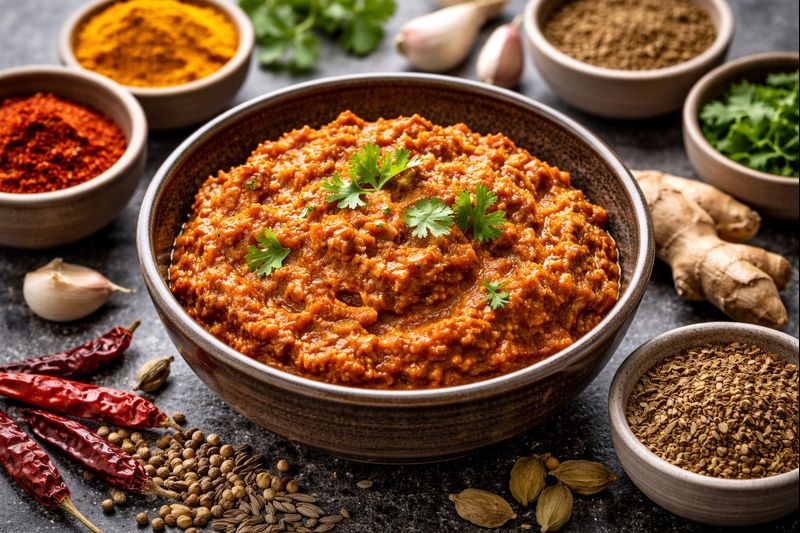
Freshly made Indian curry paste in a bowl with spices and herbs nearby

Why Homemade Curry Pastes Taste Flat (And How Restaurants Fix It

Homemade curry pastes taste flat when the spices haven’t been fried correctly, the onions/garlic/ginger haven’t cooked out, the paste is under-salted, and the curry isn’t finished with enough heat, reduction, and a small touch of acid. Fix it by cooking the paste in oil until it darkens slightly and smells nutty (not raw), seasoning early, adding fat where needed, and reducing the sauce so it clings — then finishing with a small amount of garam masala or fenugreek for aroma.

Read more →

Gardening & Growing Food

Composting, chillies, garlic and practical growing tips.

View hub →
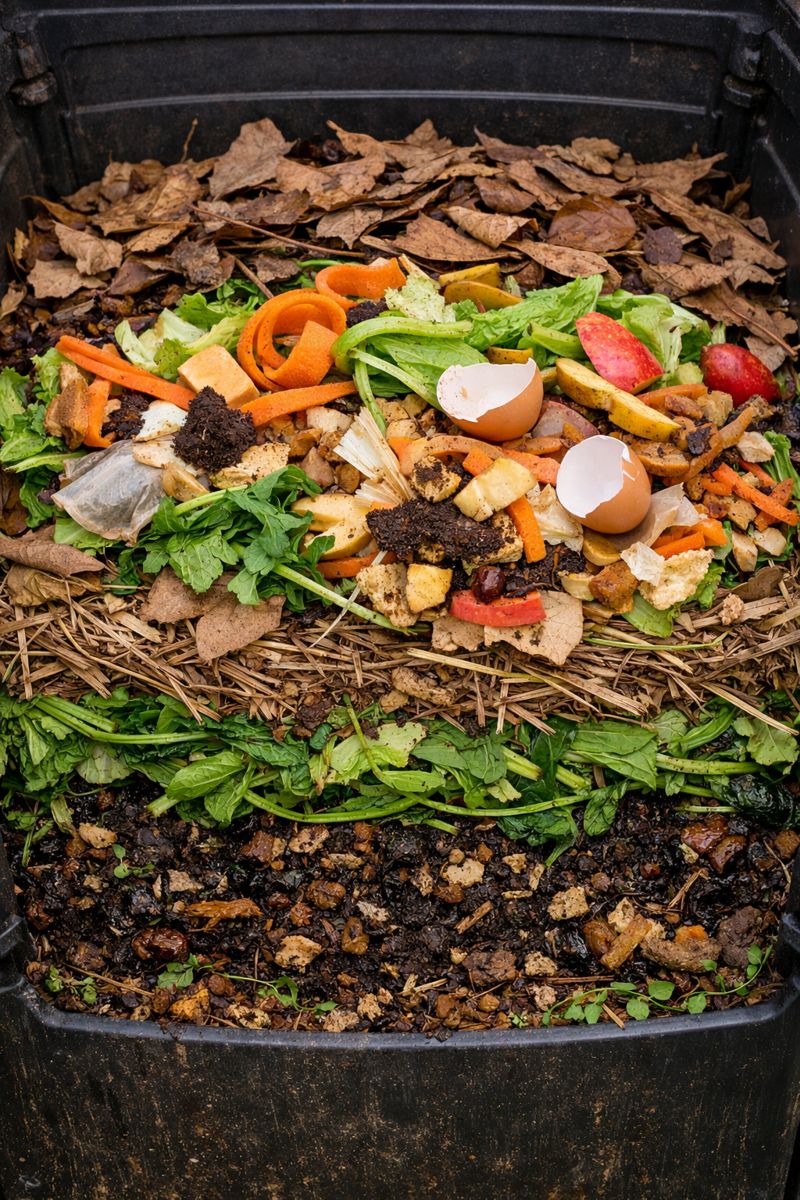
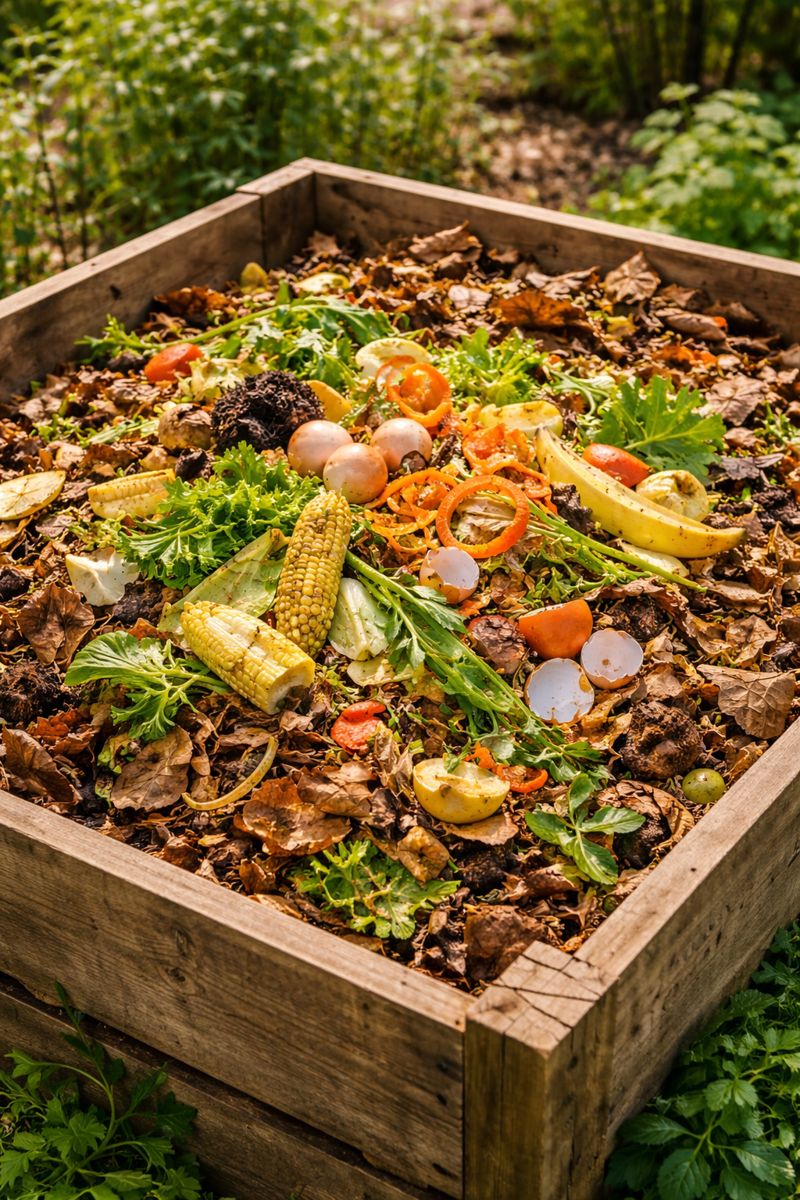
A compost bin with a mix of leaves and kitchen scraps, showing suitable compost materials

Composting for Beginners: What You Can (And Can’t) Compost

Most compost problems come from one simple mistake: adding the wrong materials, or adding the right materials in the wrong way. A healthy compost heap is basically a managed breakdown of organic matter — but it only behaves well when you balance “greens” and “browns” and avoid the few inputs that cause smells, pests and slow decomposition.

Read more →